Best Stuffing Materials for Custom Plush Toys: A Manufacturer’s Guide
The best plush stuffing material depends on what the finished product must do. Polyester fiberfill is a practical starting point for many soft stuffed animals. A plush pillow may need a different feel or more support, while a weighted design needs securely contained beads. A product intended for microwave heating requires its own materials, construction, instructions, and safety assessment. For a custom plush order, choose the filling alongside the toy’s size, shape, intended age group, and target market—then approve its feel and appearance in a physical sample before bulk production.
What Is Plush Toy Stuffing?
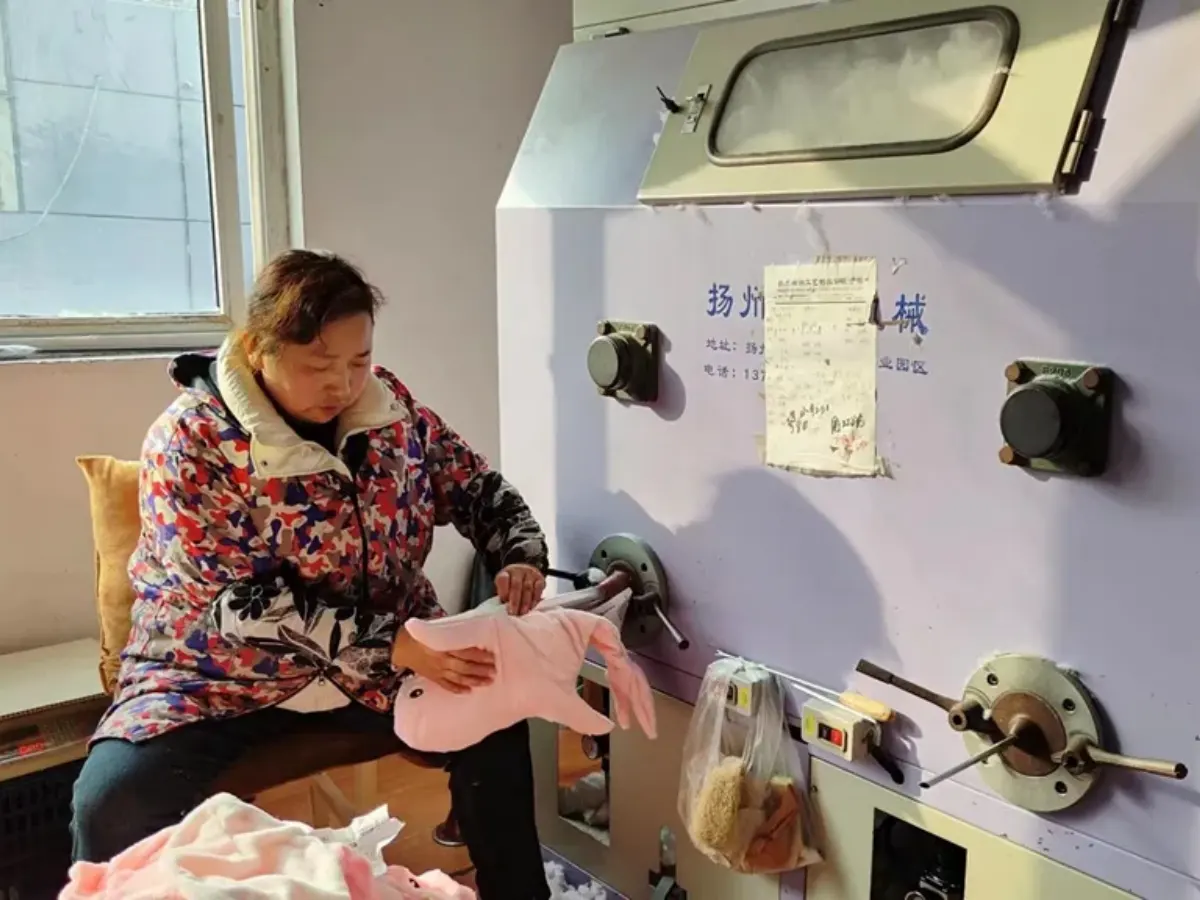
Stuffing, also called filling, is the material inside a plush toy. It gives the sewn fabric shell volume and helps determine how the product feels, holds its shape, and sits or lies down. The plush fabric is the outer textile; it is separate from the filling.
Filling is a design decision, not simply a matter of adding more material. A lightly filled body can feel soft and huggable, but may not hold a character’s intended proportions. A densely filled head may keep its shape, but can feel hard and put more strain on its seams. Narrow limbs, ears, and corners may also need a different distribution of filling from the main body.
For bulk production, the useful question is: What material and filling arrangement reproduce the approved sample’s shape, weight, and hand feel across the order?
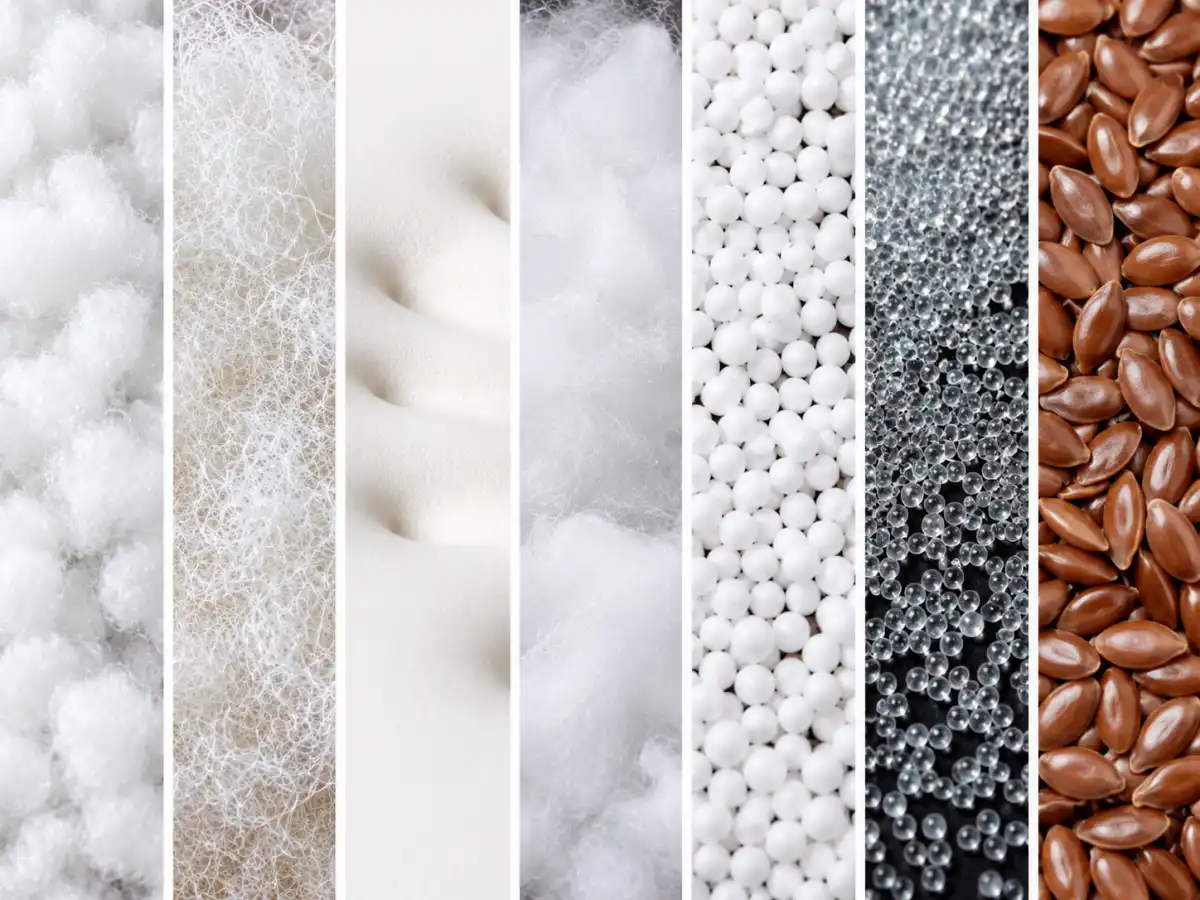
7 Stuffing Materials Used in Custom Plush Products
These seven options serve different purposes. Fiber fills create softness and loft. Foam provides a more defined response to pressure. Beads add movement or weight. Grain and seed fillings belong to specially designed warmable products. They should not be treated as interchangeable substitutes.
1. Polyester Fiberfill (PP Cotton)
Polyester fiberfill is loose synthetic fiber used to give plush toys a soft, lightweight body. It can be distributed through heads, bodies, and limbs, making it a useful starting option for conventional stuffed animals and character plush.
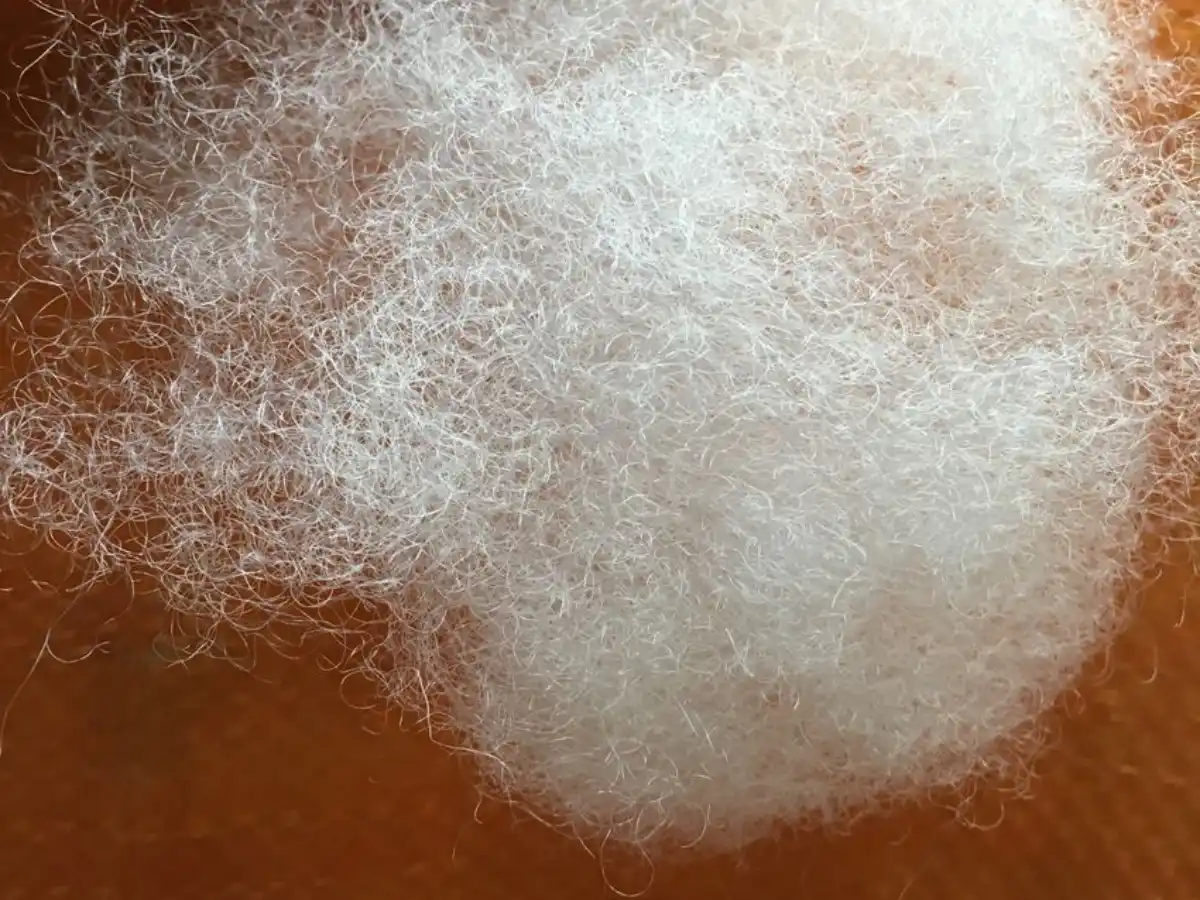
In plush manufacturing, suppliers may call a polyester fill “PP cotton.” That trade name alone does not establish the fiber’s polymer composition or grade. Plushies4u’s custom plush pillow materials page identifies its listed PP cotton option as polyester fiberfill; buyers should still record the exact material specification selected for their project.
Fiber grade, loft, and the amount placed in each part affect the result. Too little filling can leave flat areas; too much can distort the pattern or make seams more prominent. During sampling, check the face, body, and narrow features individually rather than judging softness by squeezing only the center of the toy.
Best suited to: Standard stuffed animals, character plush, and shaped plush products that need a soft, light fill.
2. Down Alternative Fiberfill
Down alternative fiberfill is a synthetic fill selected for a particularly soft, fluffy feel. It is not duck or goose down. The name describes the intended hand feel; the precise fiber composition and grade should be specified for the order.
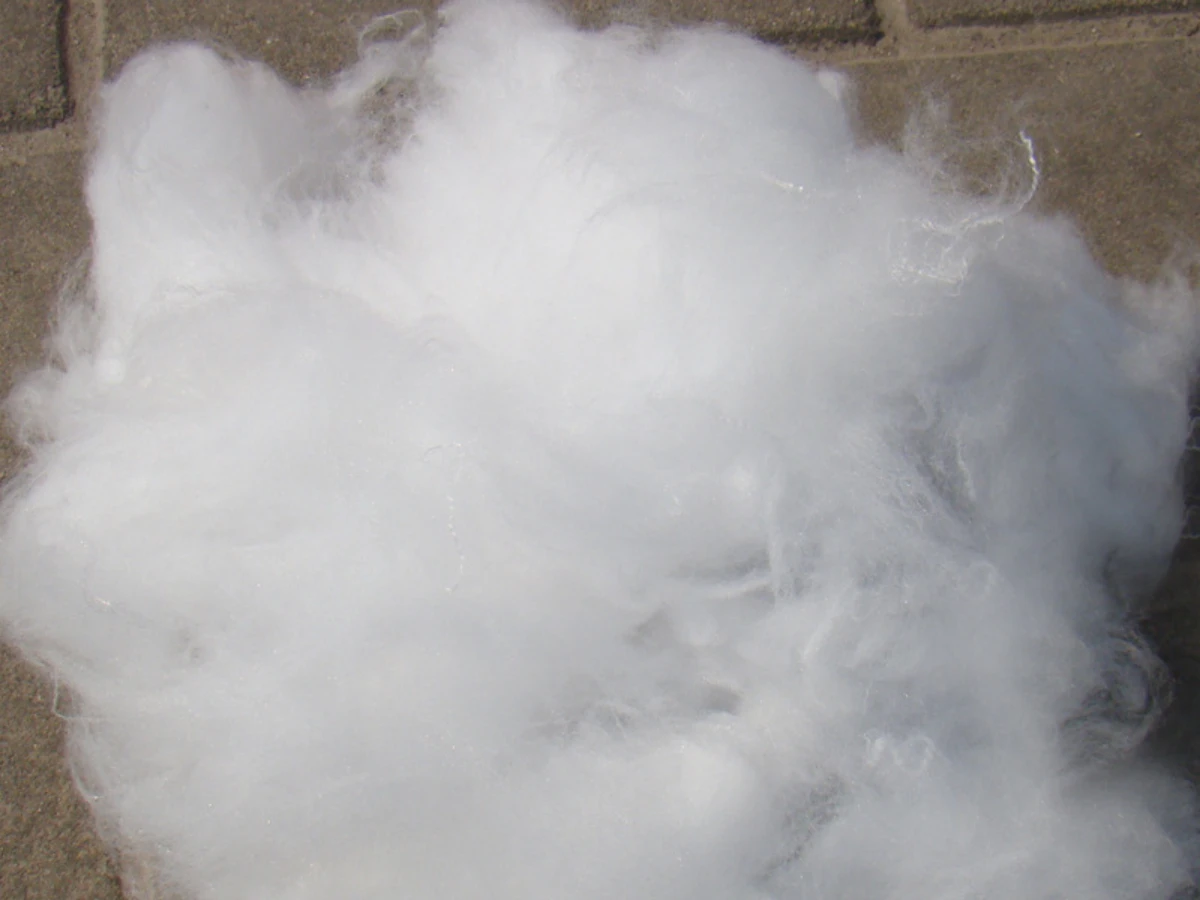
Compared with a firmer standard fill, a down alternative may suit a plush designed to compress easily when hugged. That same softness may provide less definition in a sharply shaped character. The outcome depends on both the fiber and the amount and placement used.
Best suited to: Soft plush bodies and cushions where a fluffy feel matters more than crisp sculpted detail.
3. Cluster Polyester Fiberfill
Cluster polyester fiberfill consists of small groups of polyester fibers rather than one continuous mass of loose fill. It can create a cushioned feel in selected plush pillows and broad, simple shapes. Even distribution matters: an unevenly filled sample may show or feel lumpy.
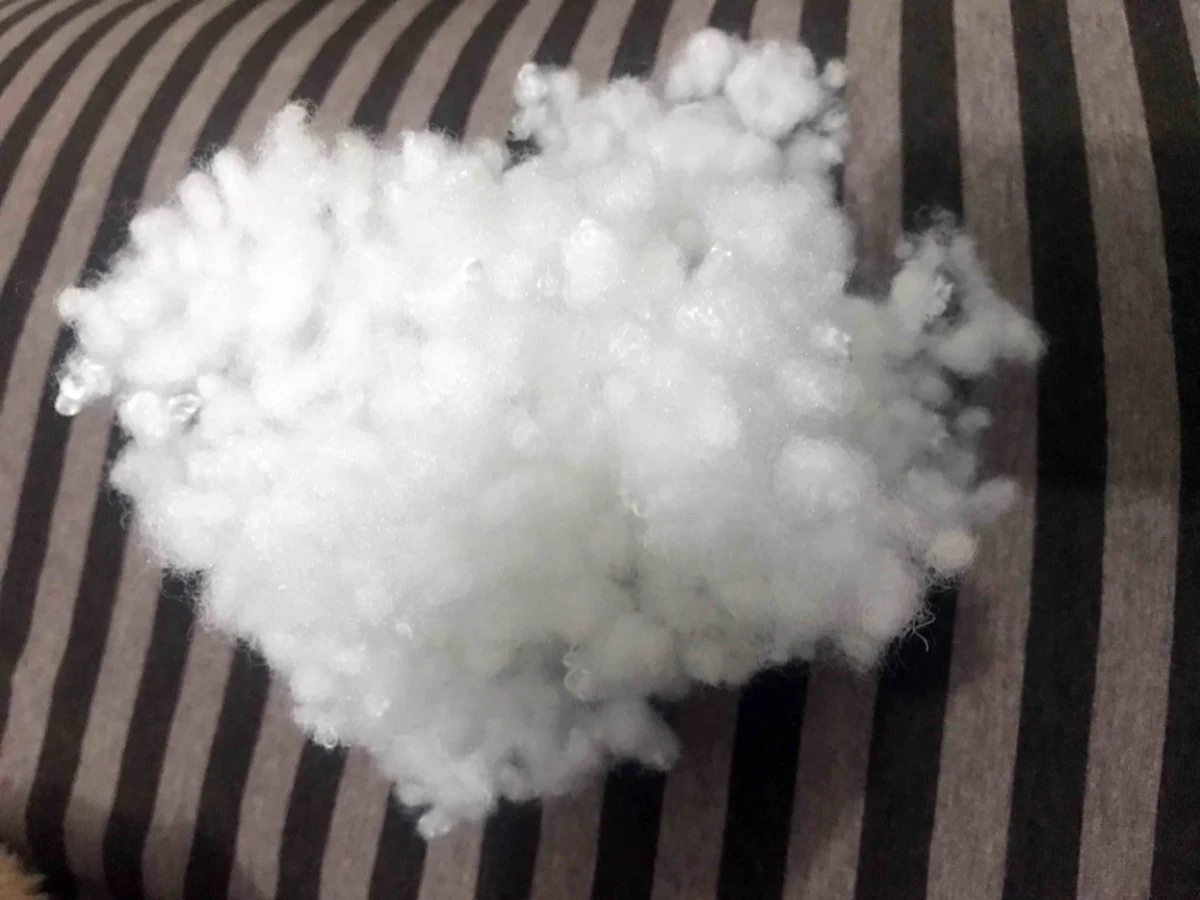
The term “pearl cotton” needs particular care. It may be used for clustered fiber in a filling discussion, while EPE pearl cotton refers to expanded polyethylene packaging foam. They are different materials. Ask for the supplier’s composition and a physical sample instead of approving a filling from the translated name alone.
Best suited to: Selected plush pillows and broad shapes where a cushioned feel is desired.
4. Slow-Rebound Memory Foam
Slow-rebound memory foam compresses under pressure and returns more gradually than loose fiberfill. It can be useful where a plush pillow or cushion needs a more defined support feel. It is generally considered as a shaped foam component or insert, rather than poured into every part of a complex stuffed animal.
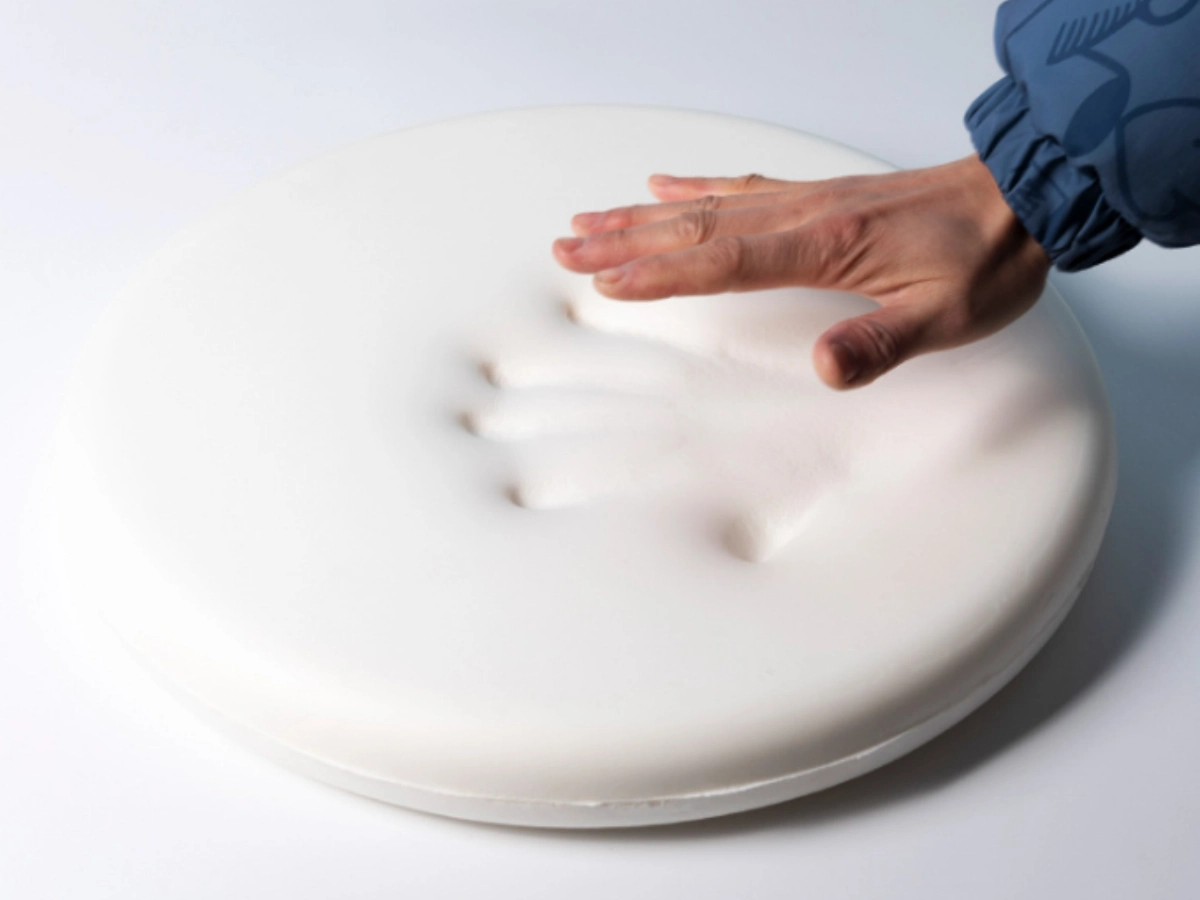
Foam does not automatically follow small ears, thin limbs, or irregular character outlines. A design may need a combination of materials—for example, foam in the main cushion and fiberfill in decorative features. The foam shape, cover construction, and finished feel should be assessed together on the sample.
Best suited to: Selected structured plush pillows and cushions, especially those with broad shapes.
5. EPS Foam Beads
EPS foam beads are lightweight particles that shift as the product is handled. They can create a movable, adaptable feel in a flexible novelty product, but will not hold a sharply defined character shape in the same way as well-distributed fiberfill.
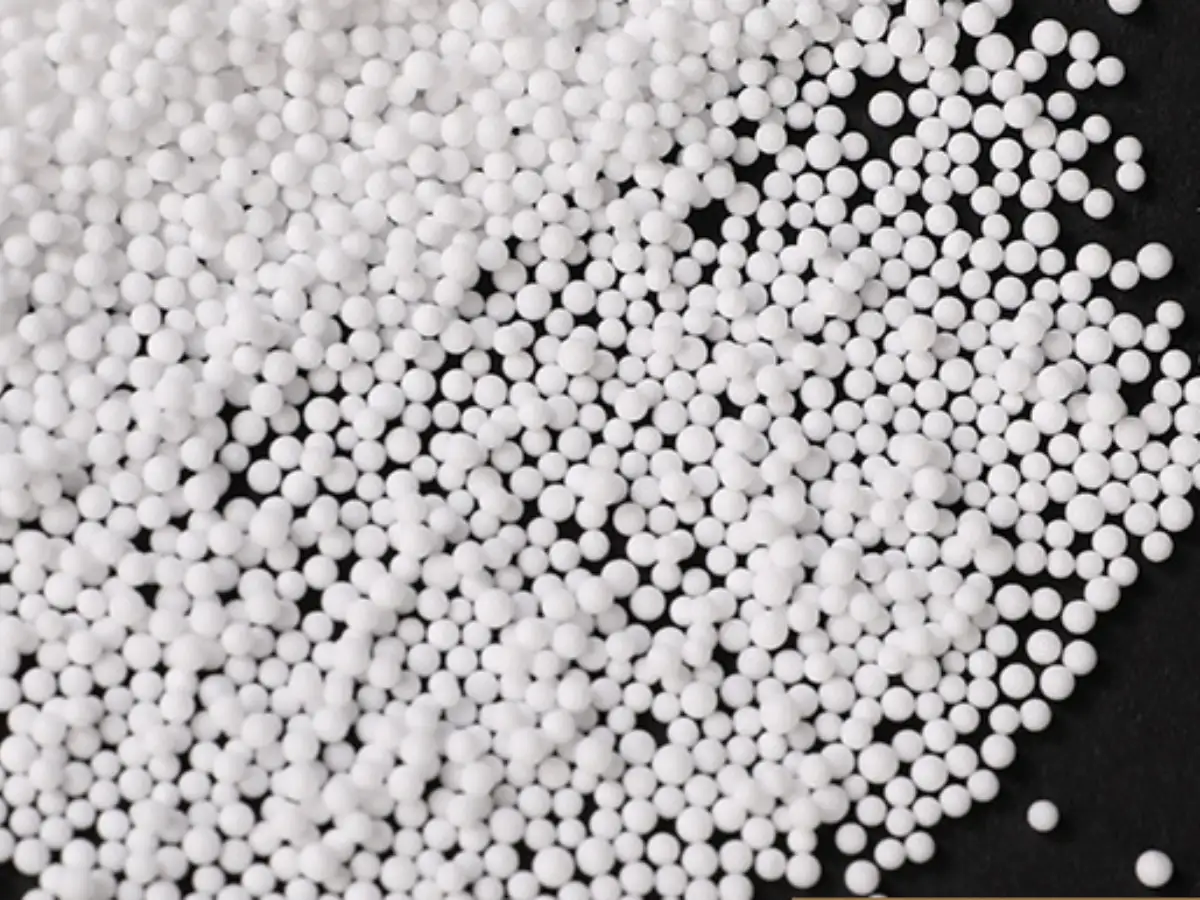
Containment is central to the design. The particle size, inner bag, closures, and outer seams all affect whether beads remain enclosed during foreseeable use. The finished product—not just the bead material—needs to be assessed for its intended users and market.
Best suited to: Selected flexible plush products where movement is an intentional feature.
6. Glass Beads
Glass beads add weight without requiring a large filled volume. A designer may use them to adjust how a plush sits or to create a deliberately weighted product. They are not a substitute for the soft fiber that gives a conventional plush body its loft.
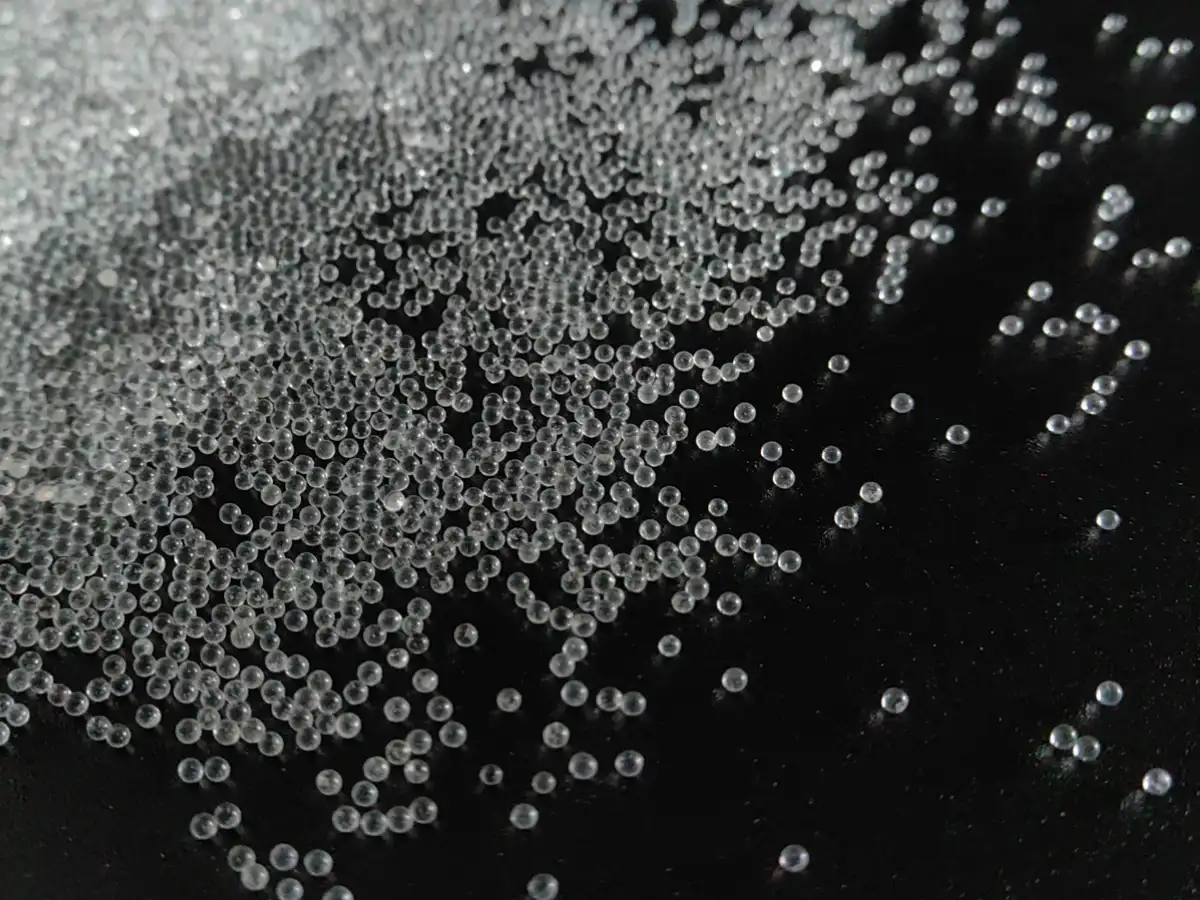
A weighted design needs a defined bead location and secure containment. A loose bead pocket can shift the center of gravity or make the product feel uneven; leakage creates a separate safety concern. Decide the intended age group and use before developing the construction, and assess the completed sample and production design accordingly.
Best suited to: Specially constructed weighted plush products or designs needing localized weight.
7. Microwavable Grain and Seed Filling
Selected grains or seeds can provide the heat-pack function in a purpose-designed warmable plush product. This is a separate product development task from making an ordinary stuffed animal. The grain or seed type, quantity, moisture condition, inner pouch, outer materials, heating instructions, and intended use all affect the finished product.
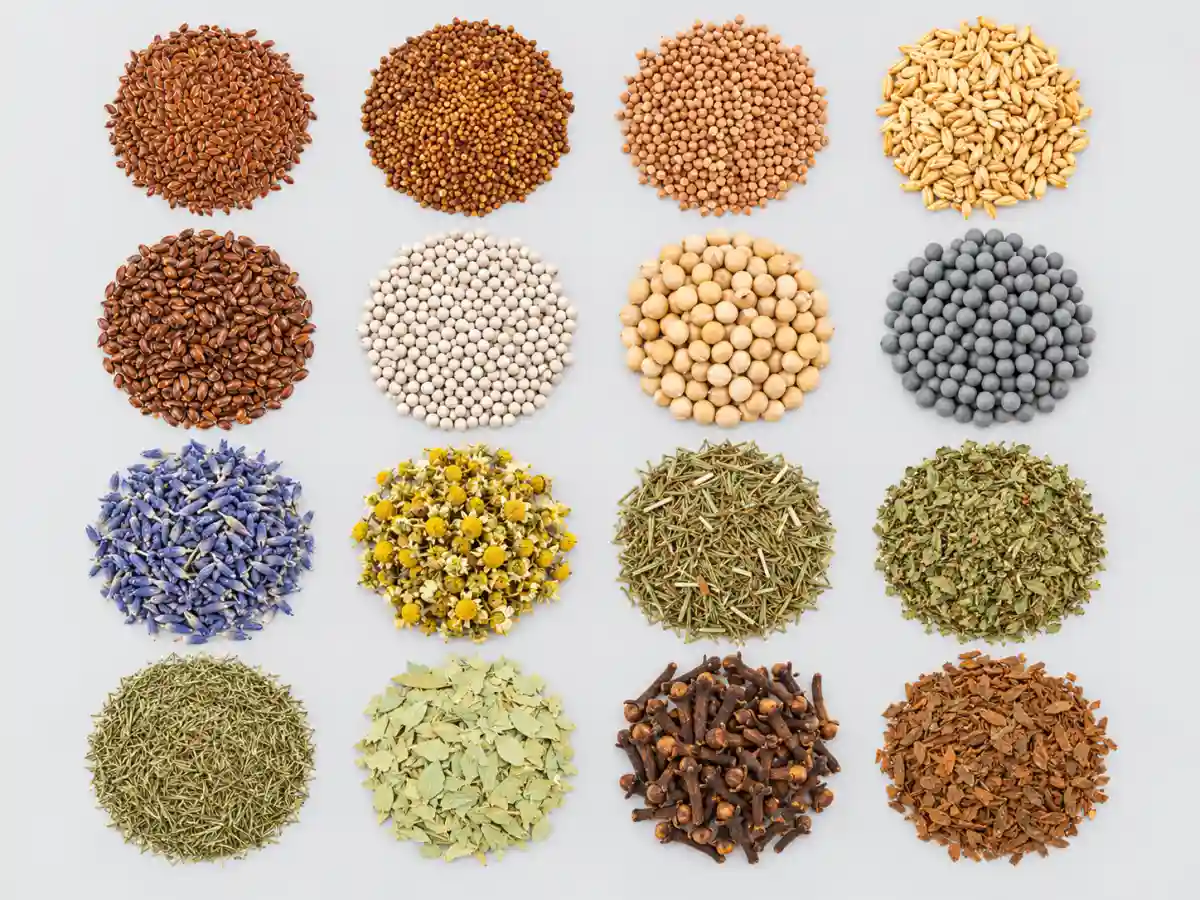
A natural filling does not make a plush microwave-safe. Overheating grain-filled products can cause burns or fire; repeated heating and product damage also matter. Heating instructions should be established for the assessed finished design, rather than copied from another product. Fire-service guidance advises users of manufactured wheat bags to follow their product’s instructions and stop using a damaged or scorched bag. Cheshire Fire and Rescue Service
Best suited to: Specialty warmable products developed and assessed specifically for that function.
Plush Toy Stuffing Materials Comparison Chart
| Material | Main benefit | Typical application | Weight and feel | Key selection concern |
|---|---|---|---|---|
| Polyester fiberfill | Softness and volume | Standard stuffed animals and characters | Light; firmness changes with fill amount | Fiber specification and even distribution |
| Down alternative fiberfill | Fluffy, compressible feel | Soft plush and cushions | Light and soft | Exact grade and shape retention |
| Cluster polyester fiberfill | Cushioned clustered feel | Selected plush pillows | Soft; distribution affects smoothness | Lumps and confusion with EPE packaging foam |
| Slow-rebound memory foam | Defined response to pressure | Structured plush pillows | More supportive than loose fiberfill | Insert shape and compatibility with the shell |
| EPS foam beads | Movable filling | Flexible novelty products | Light and shifting | Secure particle containment |
| Glass beads | Localized weight | Weighted plush designs | Heavier; location affects balance | Enclosed compartments and leakage risk |
| Grain or seed filling | Heat-pack function in an assessed design | Specialty warmable plush | Weight and heat behavior depend on the fill | Heating, burn, fire, and construction risks |
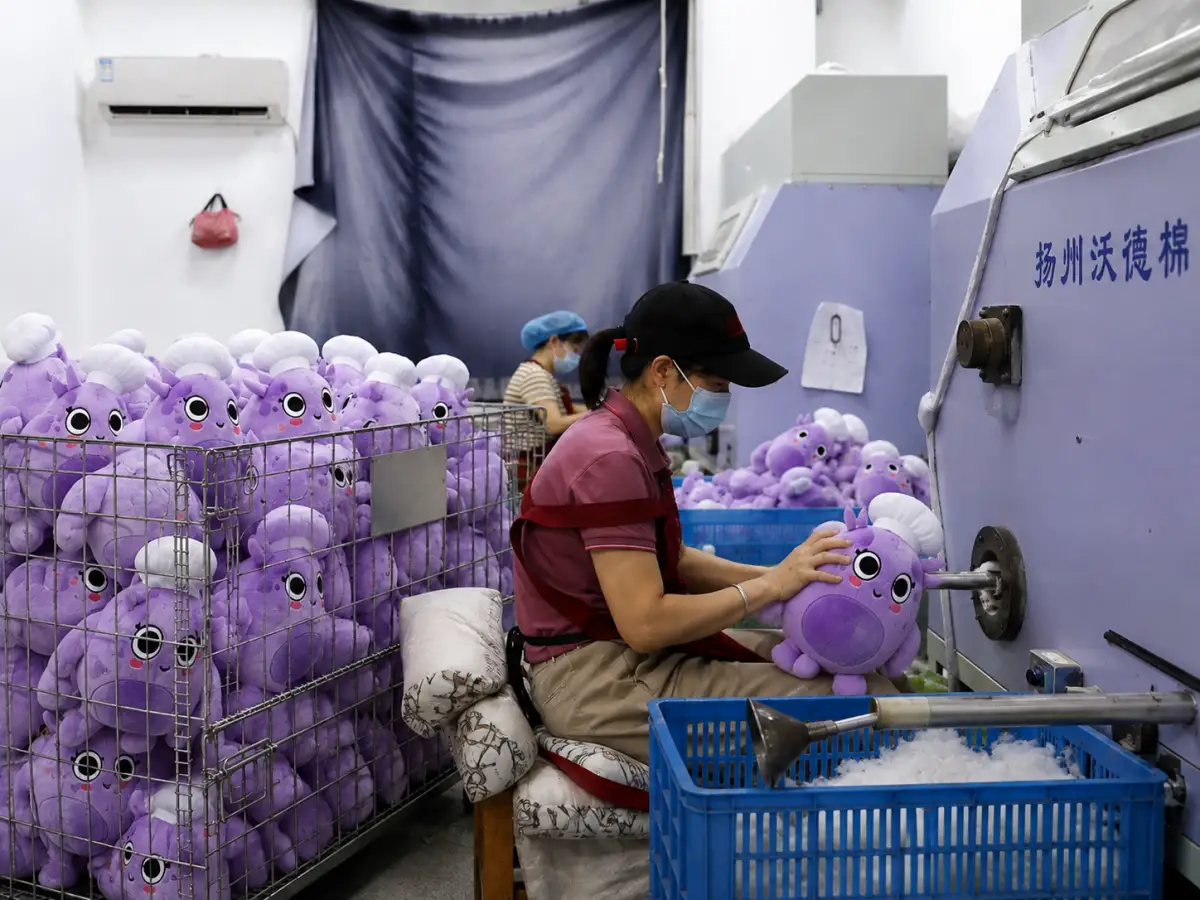
Which Stuffing Is Best for Different Plush Products?
Custom Animal Plush Toys
For a conventional animal plush, start by defining the desired softness and the shape that must remain visible. Polyester fiberfill is often a practical first sample. The head, muzzle, paws, and body may need different amounts to achieve the right expression and posture.
Judge the toy from the front, side, and back. A sample can feel soft in the body while its face appears underfilled or its legs look uneven.
Custom Character and Mascot Plush Toys
Character recognition depends on proportions. A large head, slim neck, long ears, or small tail may need deliberate filling placement or a construction change. The aim is to preserve the approved silhouette without turning every part rigid.
For a character based on artwork, filling should be reviewed with the sewing pattern and fabric. Plushies4u’s guide to how plush toys are made shows how material selection, sampling, sewing, filling, and inspection fit into the production sequence.
Custom Plush Pillows
A pillow buyer should specify both its appearance and how it should feel in use. Polyester fiberfill, down alternative fill, cluster fiberfill, and a shaped memory-foam insert can produce different results. A broad, flat logo pillow may call for a different construction from a dimensional animal cushion.
See the available custom plush pillow shapes and filling options when preparing a brief. The approved sample should establish the intended thickness, edge shape, and firmness.
Weighted Plush Toys
Define the target weight and where that weight should sit before choosing a bead. Glass beads can add localized weight, while soft filling forms the surrounding body. The bead compartment must remain secure and in the intended position during foreseeable handling.
A weighted plush should be assessed as a complete product for its intended age group and market. A request for “more weight” is not enough to specify its construction.
Microwavable Plush Products
First decide whether the product is intended to be heated at all. If it is, treat the filling, inner pouch, outer cover, labeling, and instructions as one design. Confirm the intended market and arrange assessment of the finished product before giving users heating directions. Never infer microwave suitability from an ordinary plush fabric or natural filling.
How Does Stuffing Affect Plush Toy Quality?
More stuffing does not always mean better quality. The right amount is the amount that gives the approved shape and feel. Overfilling can make seams look strained and soften the distinction between carefully shaped features. Underfilling can leave a face flat or allow a large body panel to wrinkle.
Loss of shape can result from the filling choice, insufficient fill in a key area, uneven distribution, or a pattern that does not support the intended form. Lumps may come from material characteristics or how filling is placed inside the shell. These are reasons to examine the assembled sample, not to choose a material from a loose handful alone.
Filling also affects cost. Material type, the amount used, any separate inner pouch or shaped insert, the work needed to distribute it, and product-specific assessment all influence a quote. A simple fiber-filled toy and a compartmented weighted plush should not be costed as though only their outer fabric differs.
How Stuffing Quality Is Controlled in Bulk Production
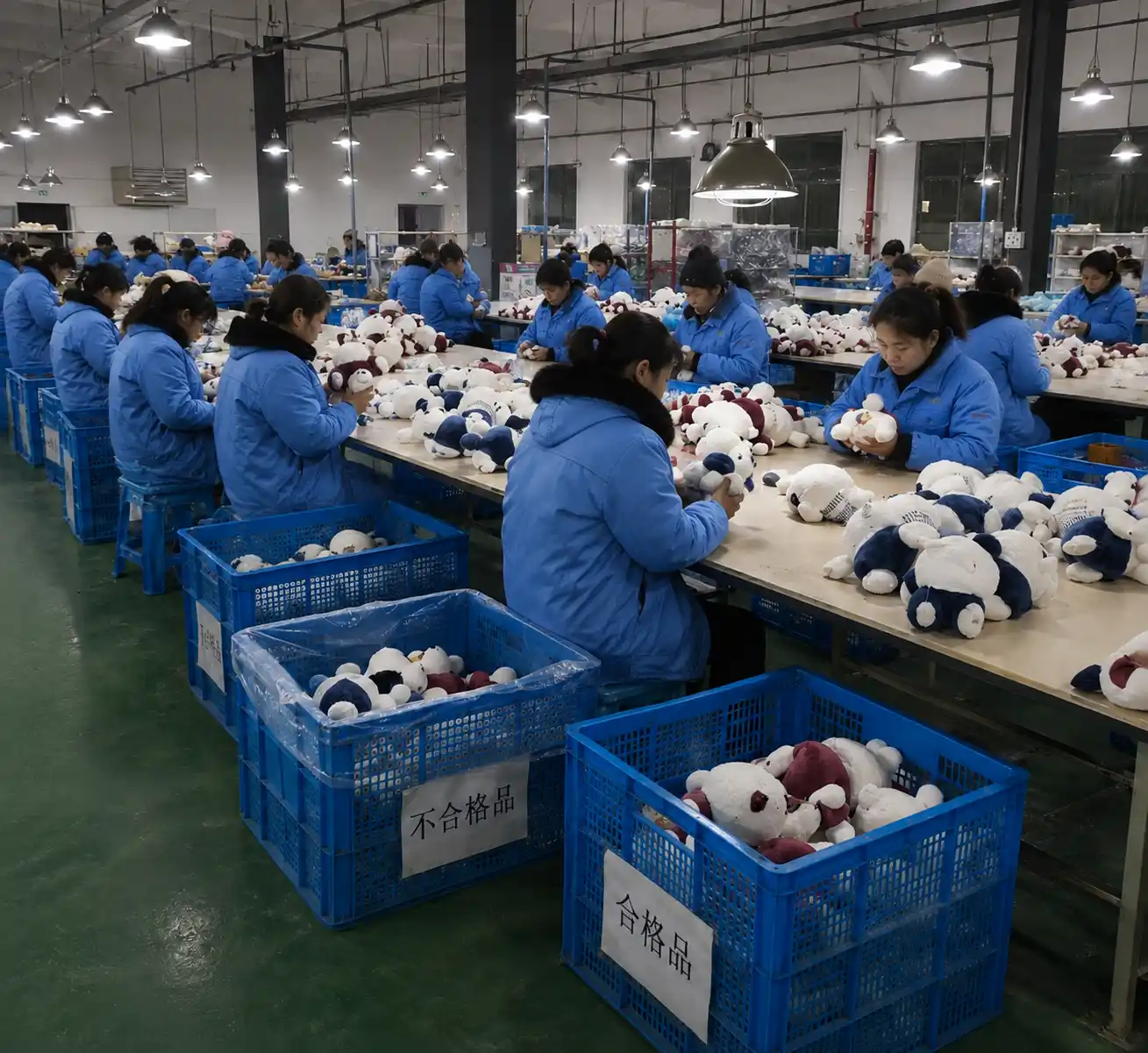
The approved sample is the reference for bulk production. It should establish the chosen filling, visible shape, posture, and intended softness. A written specification can record the material and construction details that cannot be judged reliably from a photograph.
At Plushies4u, the documented production process includes checking incoming materials, monitoring sewing and product shape during production, and inspecting finished products for appearance and workmanship. Material selection and filling are reviewed during sample development. For a filling-sensitive design, the buyer should agree which features matter most—such as head shape, pillow thickness, weight location, or firmness—so the approved sample and production checks focus on those features.
For particle-filled or weighted products, containment is part of the construction review. For an unusual filling or a warmable product, feasibility and product assessment should be settled before the bulk specification is approved.
Safety Considerations for Plush Toy Filling
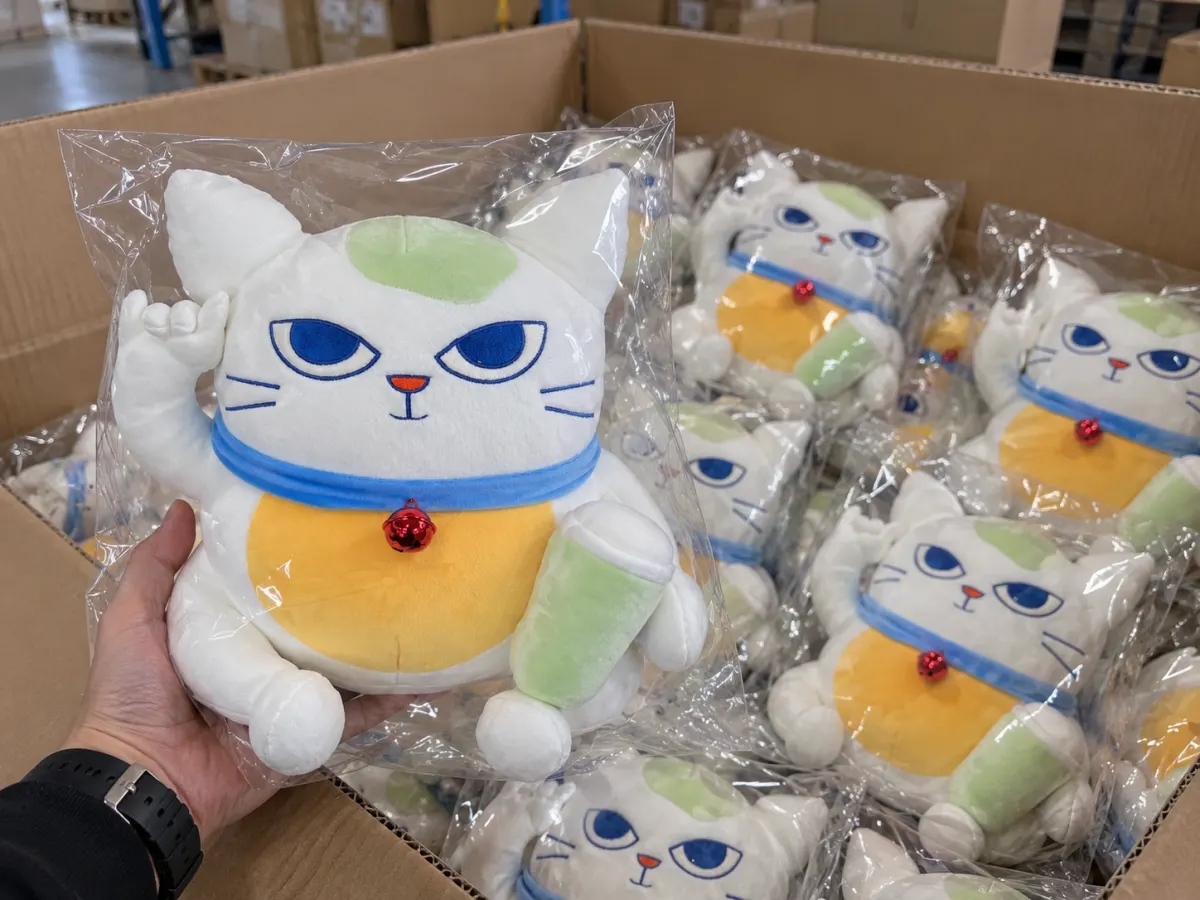
Material selection cannot be separated from the finished toy’s intended age group and destination market. For U.S. children’s toys, the Consumer Product Safety Commission identifies applicable ASTM F963 provisions for stuffing materials and stuffed and beanbag-type toys. The required assessment depends on the finished design. U.S. Consumer Product Safety Commission
For a fiber-filled toy, consider the material specification and whether filling can become accessible through the construction during foreseeable use. For EPS or glass beads, assess the particle compartments and the possibility of leakage. A warmable product additionally needs attention to its heat behavior and use instructions. A compliant material certificate on its own does not establish that every finished design is suitable for every age group or market.
If the product is intended for the EU, confirm the requirements applicable when it will be placed on the market. The EU’s new Toy Safety Regulation has been adopted, but its main application date is 1 August 2030; the existing framework remains relevant during the transition. EUR-Lex
Frequently Asked Questions
What is the most common stuffing for stuffed animals?
Polyester fiberfill is a common choice for conventional soft stuffed animals because it can fill varied shapes while keeping the toy relatively light. The fiber grade and filling distribution still determine the finished feel.
Is PP cotton the same as polyester fiberfill?
“PP cotton” is used as a trade name for certain plush fillings, including the polyester fiberfill listed on Plushies4u’s pillow page. Do not use the name alone as a material specification. Confirm the selected fill’s stated composition with the supplier.
What is the difference between polyester fiberfill and down alternative filling?
Both may be synthetic fiber fills. “Down alternative” points to a softer, fluffier target feel; the exact difference depends on the specified fibers and finished sample. It does not mean the product contains natural down.
Can memory foam be used inside plush toys?
Yes, in suitable designs, particularly structured plush pillows. A shaped foam component is less adaptable to thin limbs and irregular character details than loose fiberfill, so its fit should be tested in the actual shell.
Why are glass beads used in weighted plush toys?
They add weight and can help place it in a particular part of the product. They need a secure compartment, and the completed design must be assessed for its intended users and market.
Can every plush toy with grain filling be microwaved?
No. Heating suitability depends on the assessed filling, its condition, the amount used, the product’s full construction, and its instructions. An ordinary plush or unassessed grain-filled product should not be described as microwave-safe.
How should I choose stuffing for a bulk custom plush order?
Send the manufacturer your artwork, dimensions, intended age group, destination market, order quantity, desired hand feel, and any special function such as weighting or warming. Compare suitable materials in physical samples, then approve the chosen construction and filling specification before bulk production.
Choose the Filling Around the Finished Product
For most conventional stuffed animals, polyester fiberfill is a sensible material to sample first. Choose a softer fiber grade for a fluffier feel, consider a shaped foam insert for an appropriate structured pillow, and develop bead-filled or warmable products as distinct constructions with their own safety requirements.
To discuss a custom project with Plushies4u, send your artwork or reference images along with the target size, estimated quantity, intended market, desired softness or weight, and any special-use requirements. The team can review filling and construction options during sample development before confirming a bulk order.