27+ Years Plush Toy Manufacturing Experience |
OEM & ODM Custom Plush Solutions
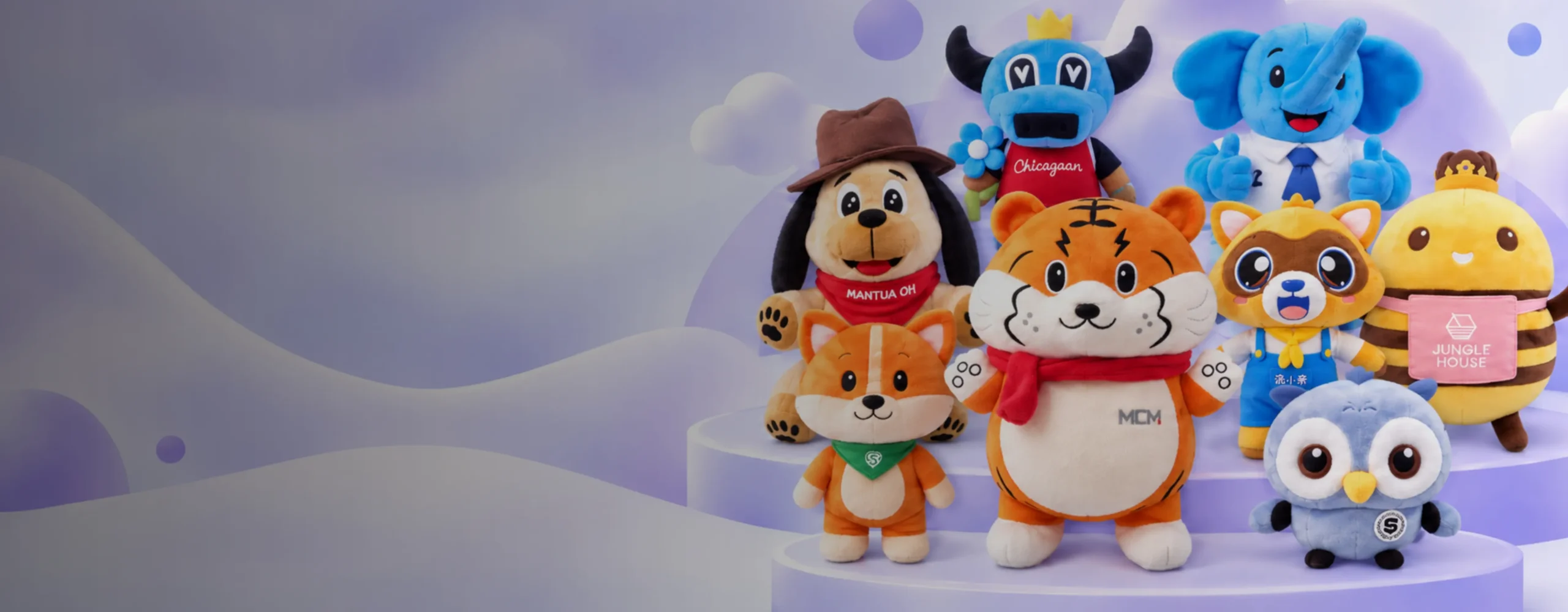
Custom Mascot Plush Manufacturer for Brands, Schools, Museums & Events
- OEM & ODM mascot plush production with MOQ from 500 pieces.
- Custom sampling takes 7–10 days; AI, PDF, PNG, JPG accepted.
- Bulk production typically takes 15–25 days after sample approval.
- Global safety compliance for sports teams, schools, brands, and events.
What Are Custom Mascot Plush Toys?
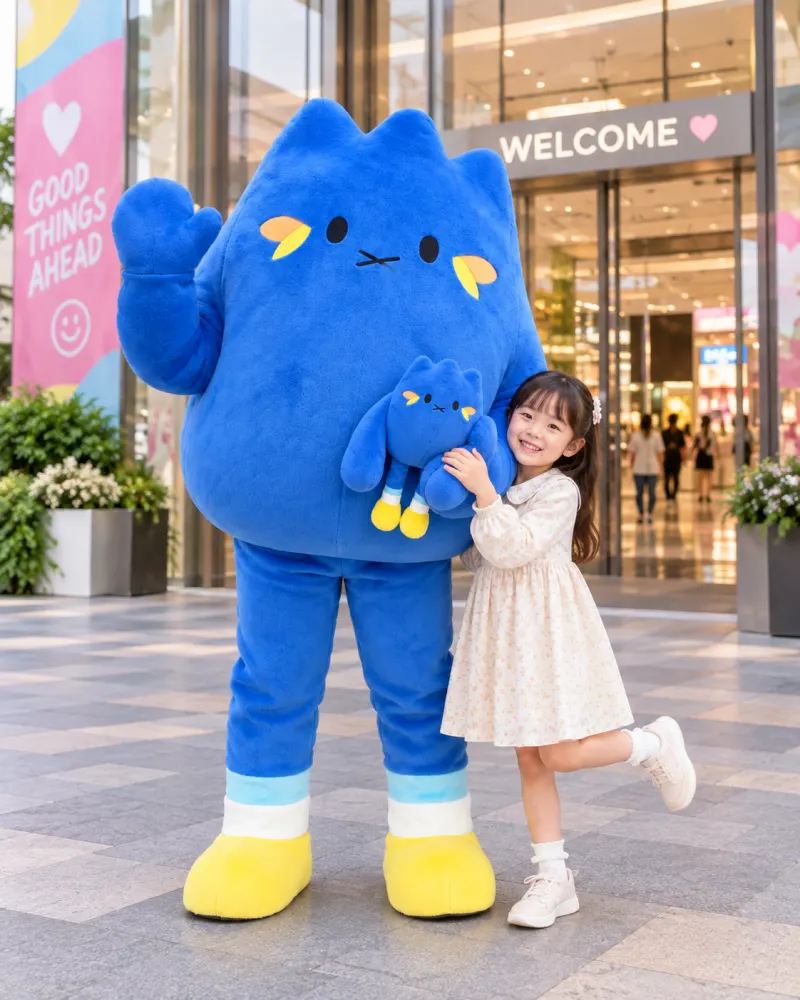
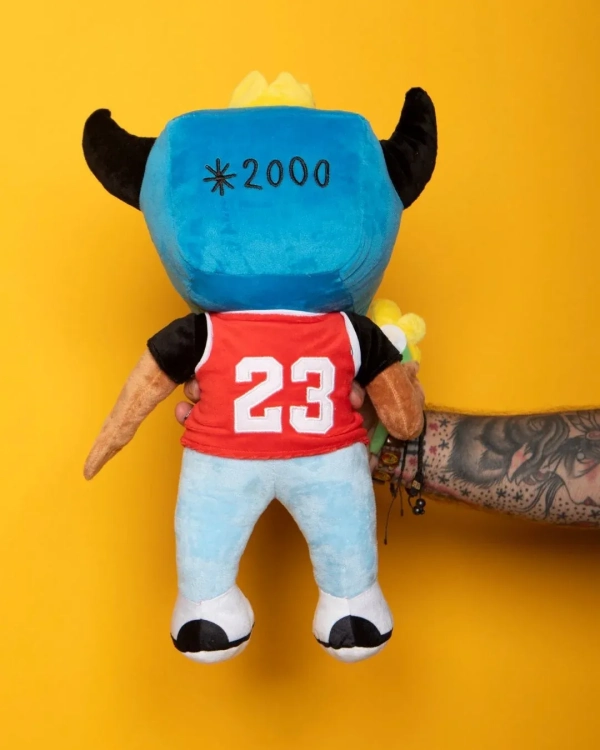
Custom mascot plush toys are plush versions of an existing mascot that already represents a brand, school, sports team, event, organization, or public program. Unlike a newly created character plush, the goal is not to invent a new identity, but to accurately translate an established mascot into a soft, recognizable physical product.
Development can start from mascot artwork, brand guidelines, reference photos, or an existing mascot costume. Key details such as proportions, facial expression, brand colors, uniforms, logos, and accessories are then adapted for plush construction while keeping the finished toy visually consistent with the original mascot.
Custom mascot plush toys are commonly produced for merchandise, fan programs, school stores, events, promotional campaigns, souvenirs, corporate gifts, and branded retail products.
Mascot Plush Solutions for Different Applications
We manufacture custom mascot plush toys for brands, schools, sports teams, events, public organizations, and promotional programs.
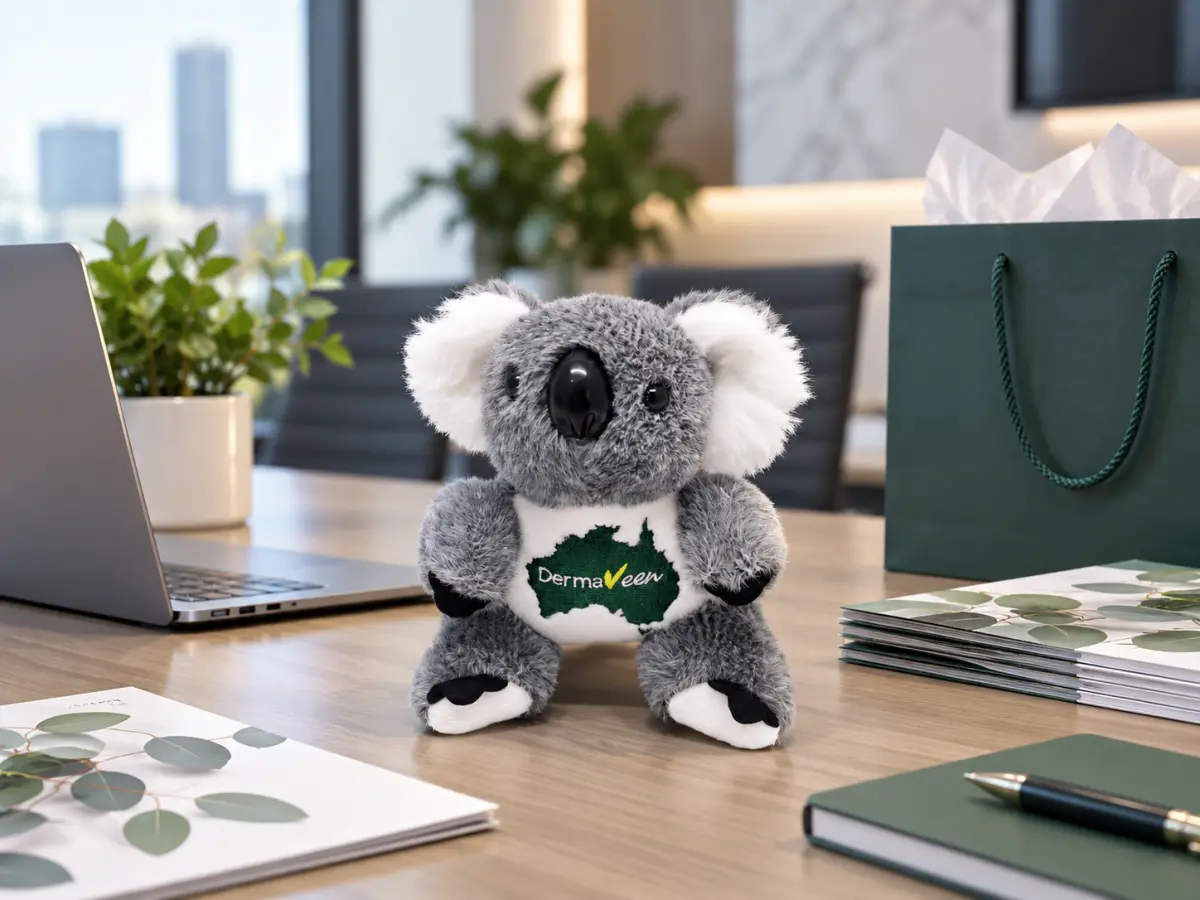
Corporate Mascot Plush
Turn your brand mascot into a custom plush toy for promotions, campaigns, retail merchandise, and corporate gifts.
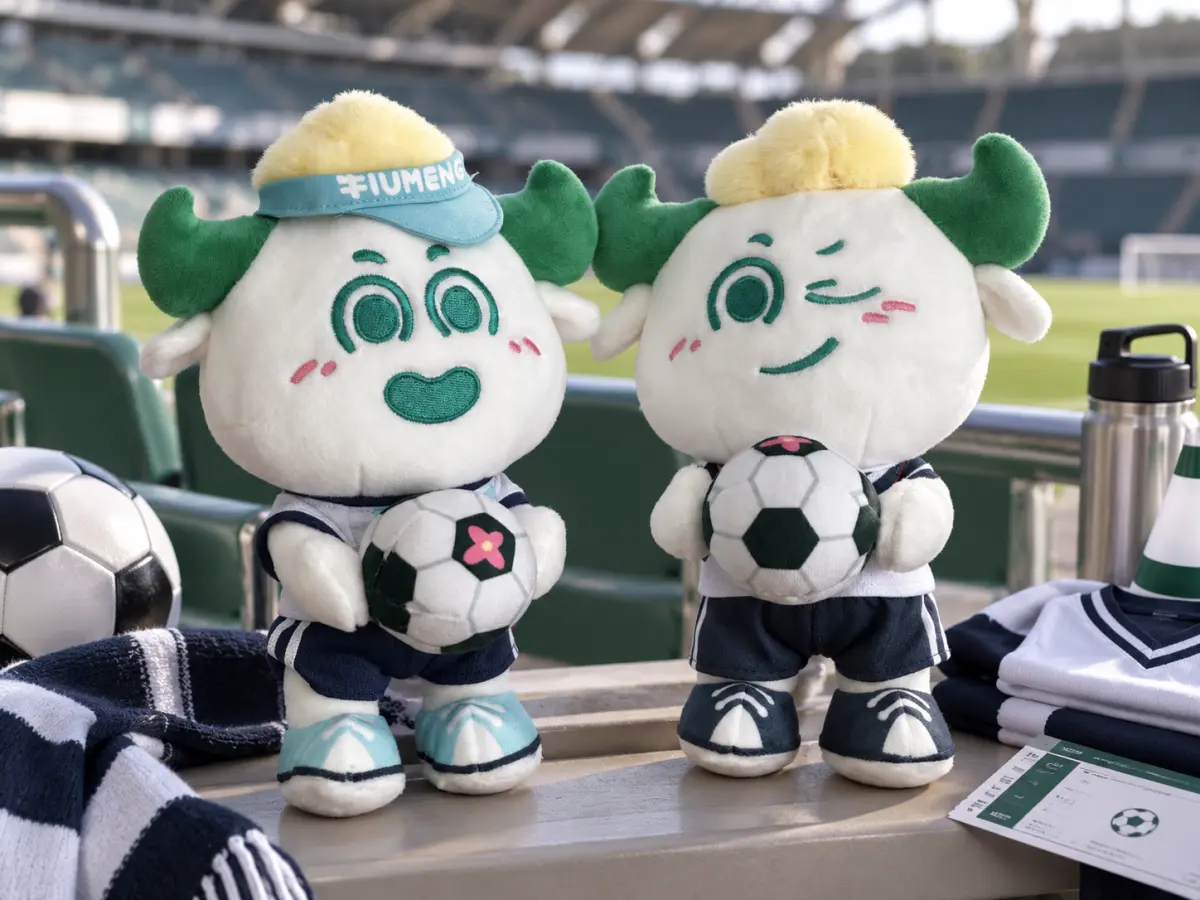
Sports Team Mascot Plush
Custom plush mascots for sports clubs, leagues, fan merchandise, stadium events, and promotional giveaways.
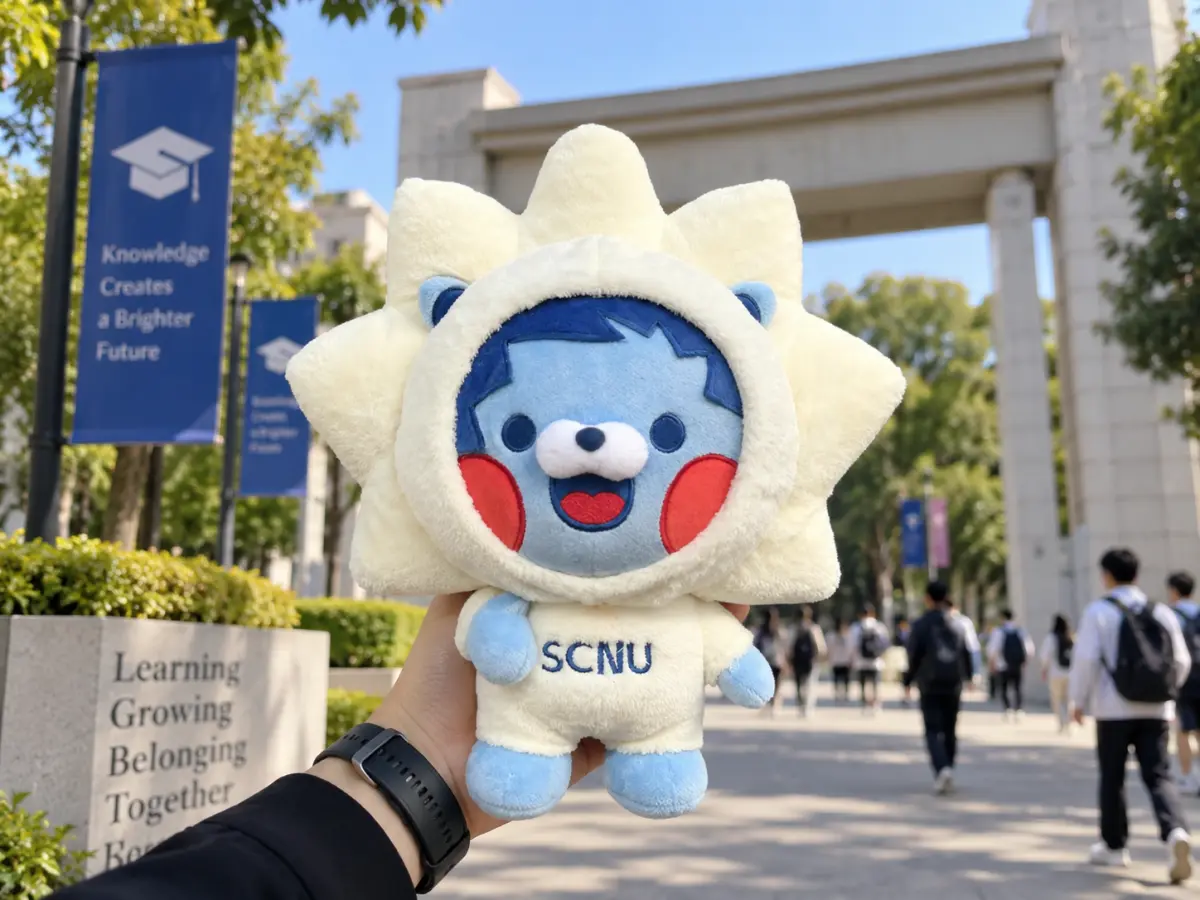
School Mascot Stuffed Animals
Mascot plush toys for schools, universities, student events, fundraising, alumni gifts, and campus merchandise.
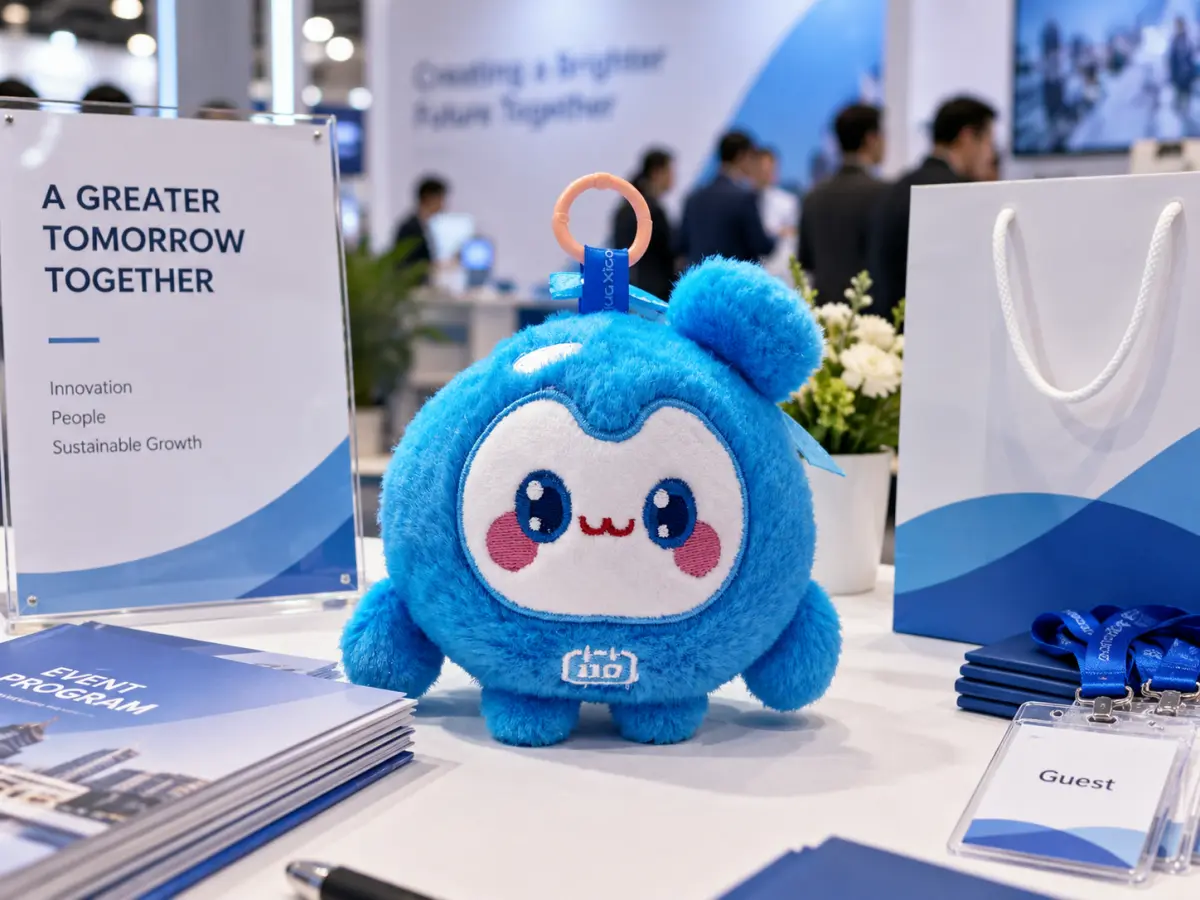
Event Mascot Plush
Create event mascot plush toys for exhibitions, festivals, launches, conferences, and branded promotional campaigns.
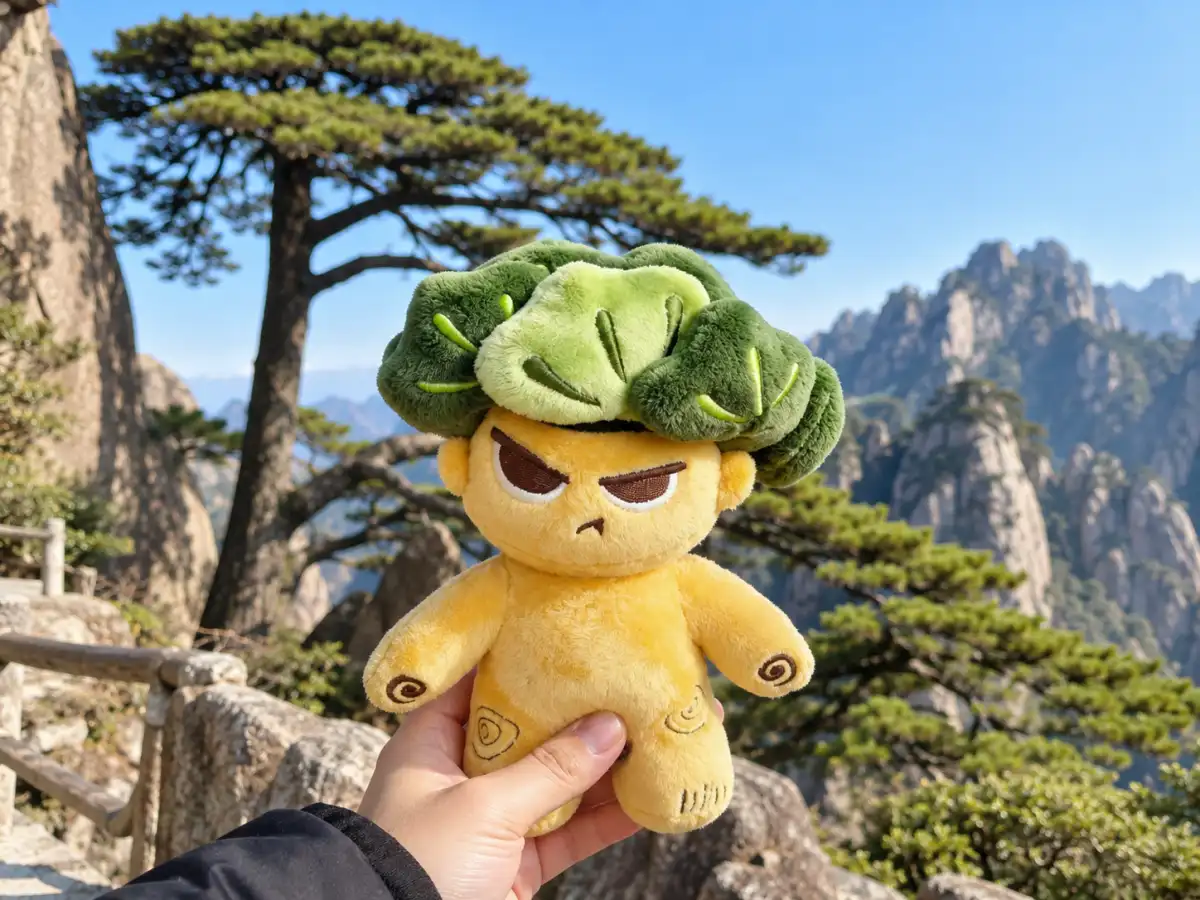
City Mascot Toy
Custom mascot plush for cities, public organizations, tourism programs, cultural campaigns, and community events.
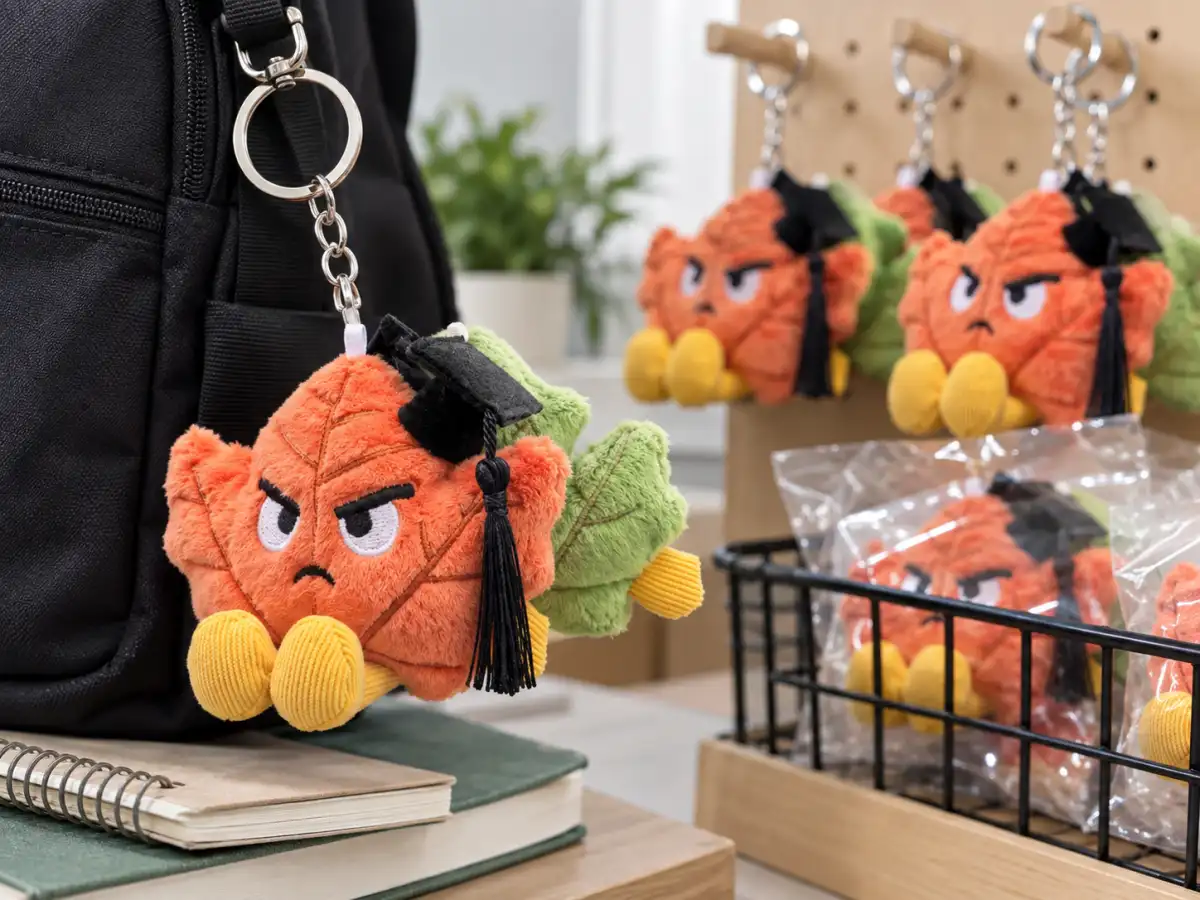
Mascot Plush Keychains
Mini mascot plush keychains for souvenirs, retail merchandise, giveaways, fan products, and promotional programs.
Mascot Plush Customization & Specifications
Flexible customization options for mascot plush toys, from artwork and materials to branding, packaging, and bulk production.
Mascot Plush for Different Organizations
We create custom mascot plush for brands, schools, sports teams, events, tourism programs, and organizations looking for memorable merchandise, gifts, and promotional products.
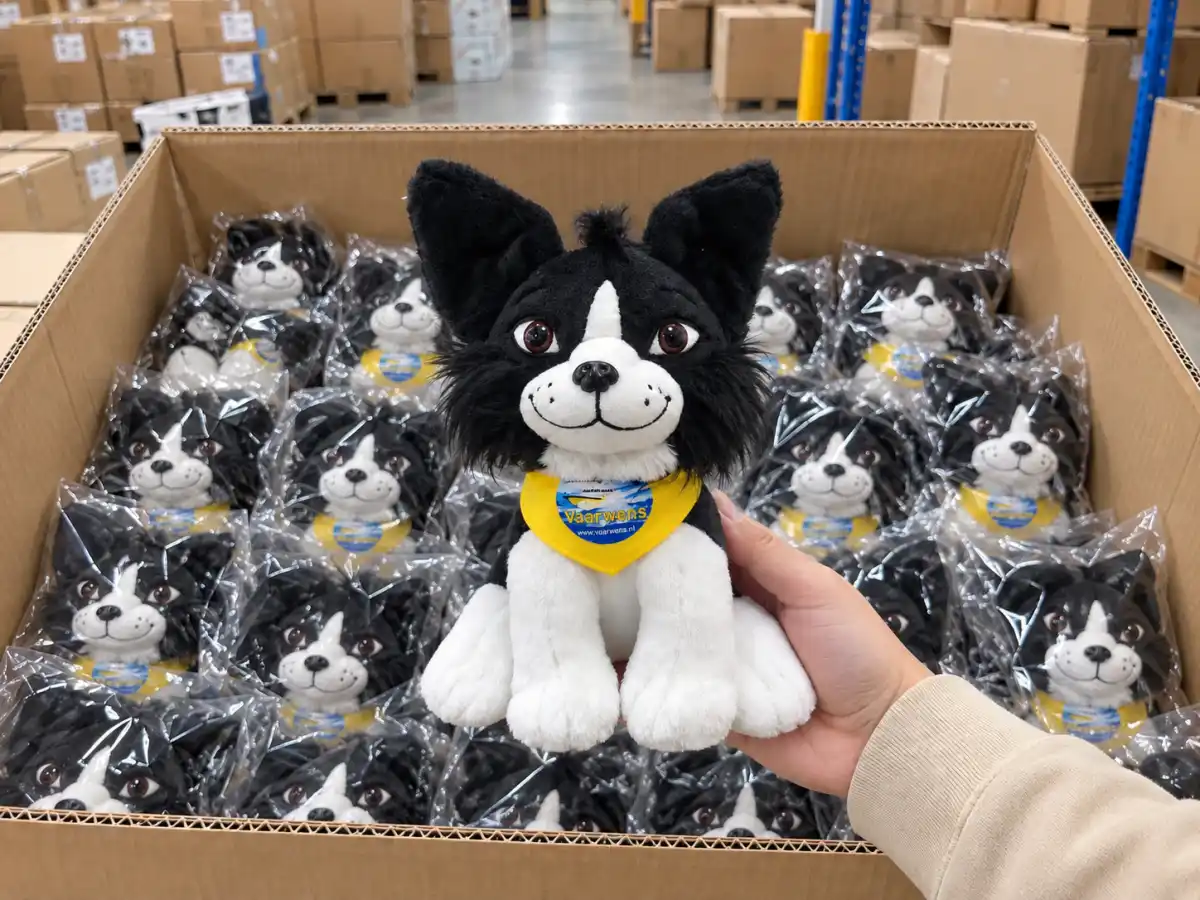
Corporate Brands
Custom mascot plush for brand campaigns, product launches, retail merchandise, corporate gifts, and customer engagement programs.
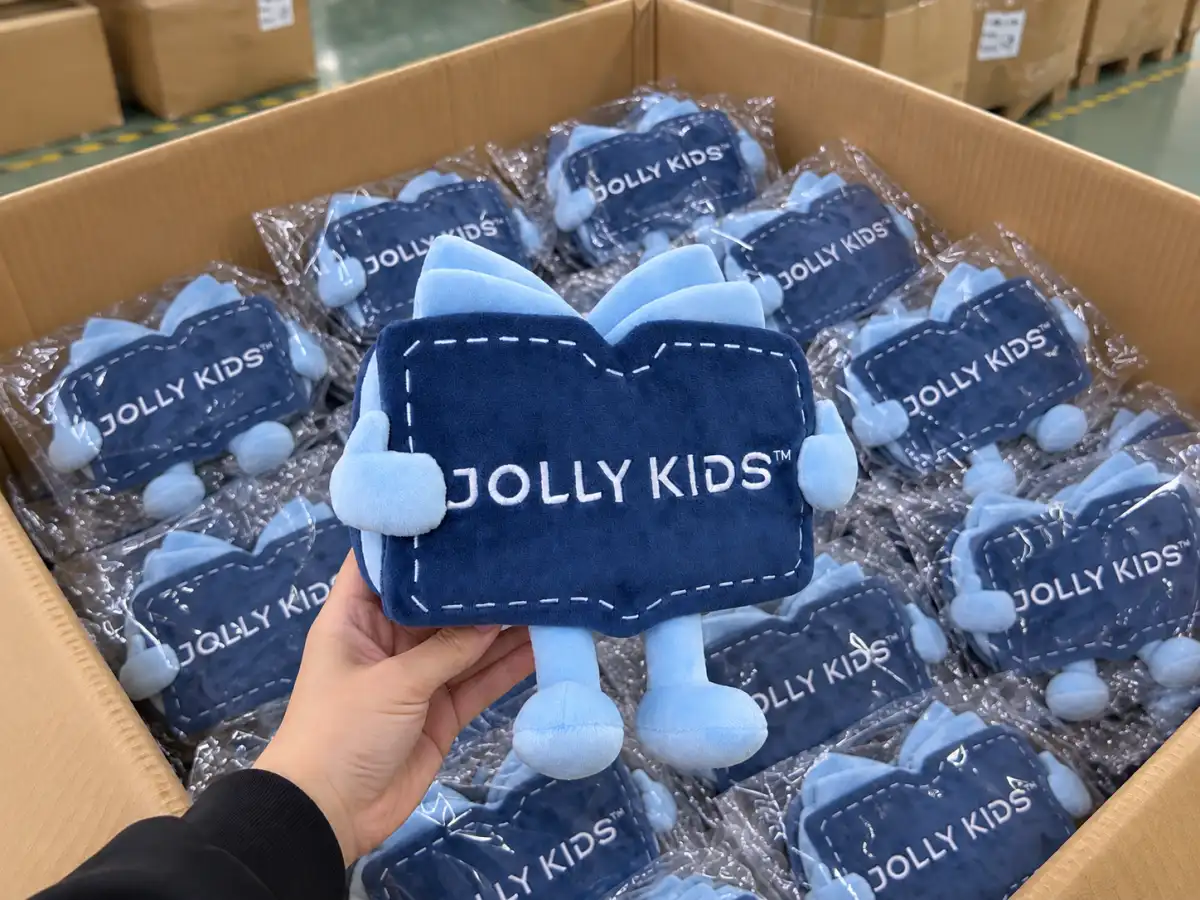
Schools & Universities
School and university mascot plush for campus stores, student events, fundraising, alumni gifts, admissions, and school spirit programs.
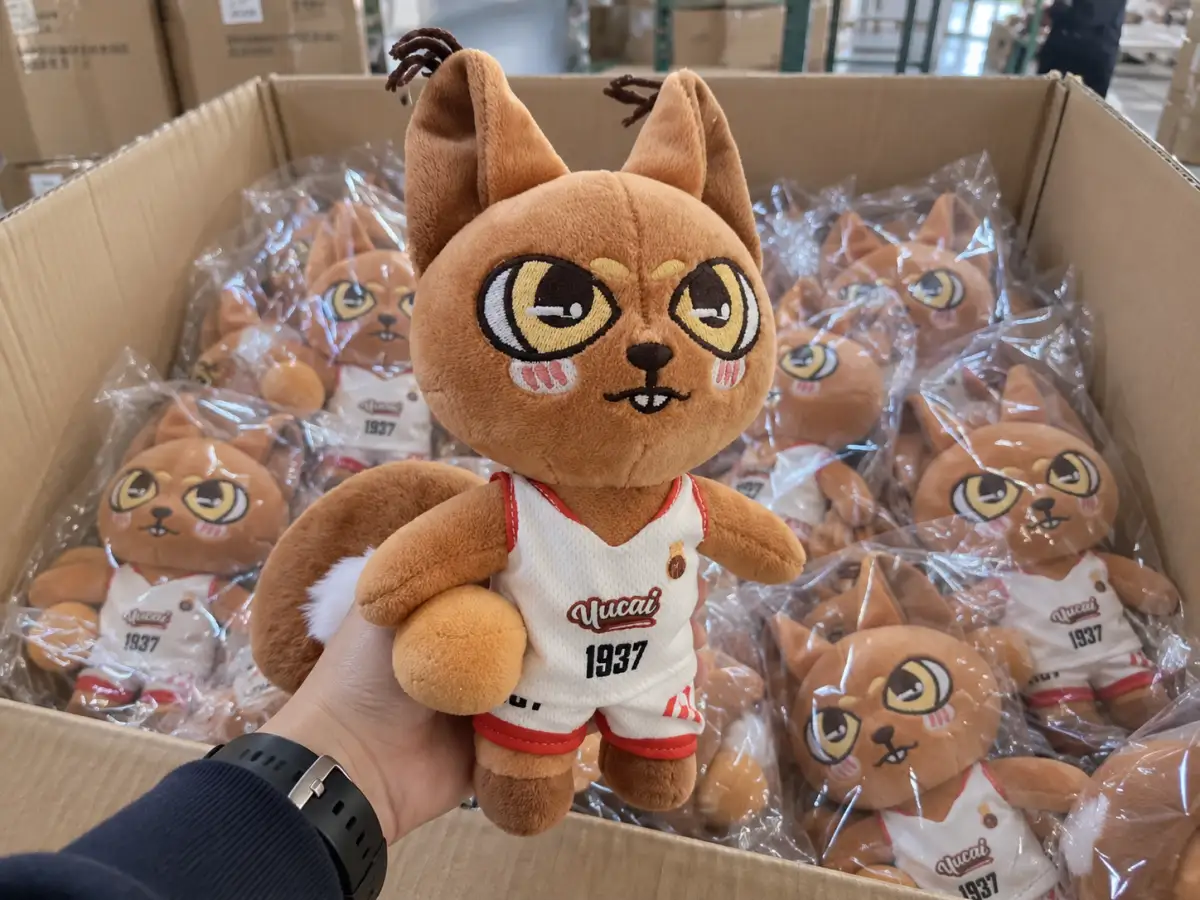
Sports Teams
Mascot plush for sports clubs, leagues, fan merchandise, stadium promotions, sponsor campaigns, and supporter giveaways.
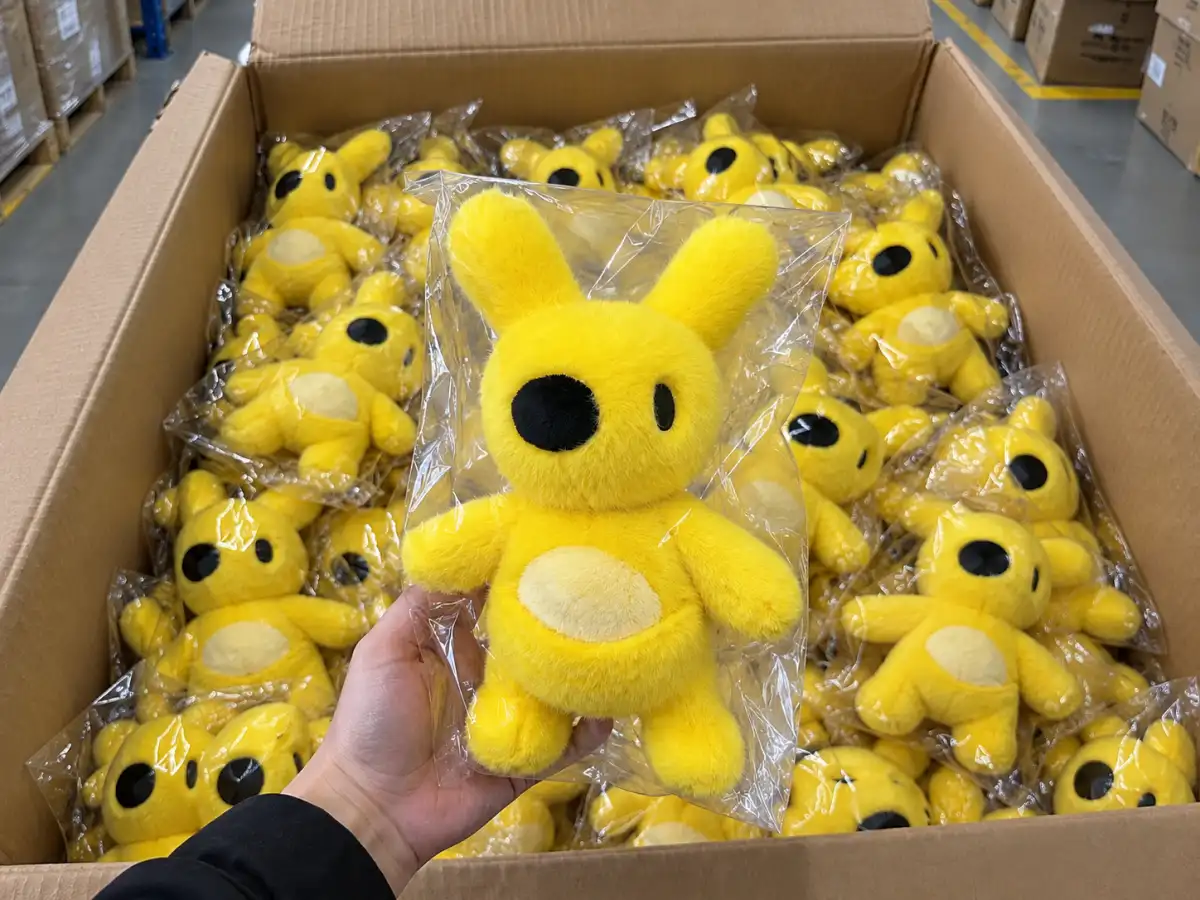
Events & Promotions
Event mascot plush for exhibitions, festivals, conferences, launches, promotional campaigns, giveaways, and limited-edition merchandise.
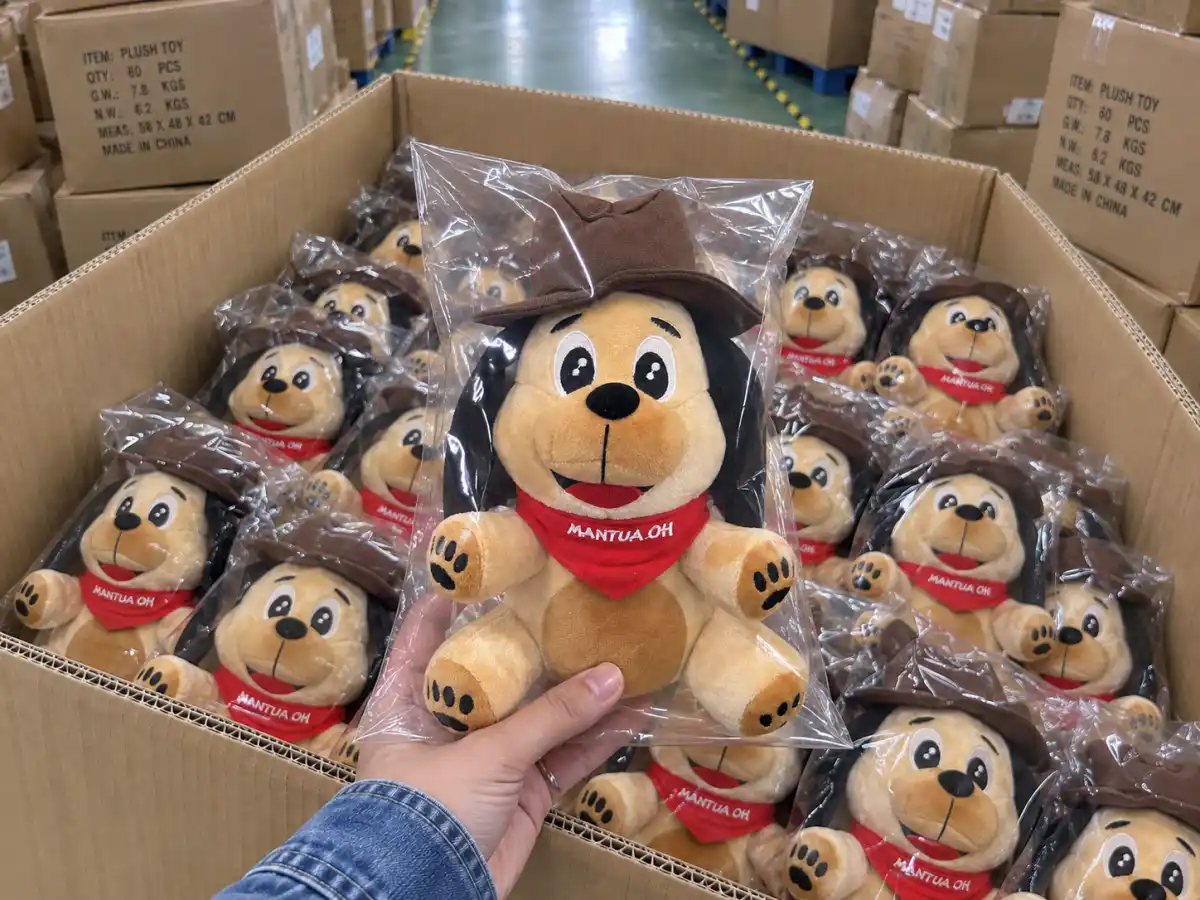
Tourism & Attractions
Custom mascot plush for museums, theme parks, zoos, visitor attractions, tourism campaigns, souvenir shops, and destination merchandise.
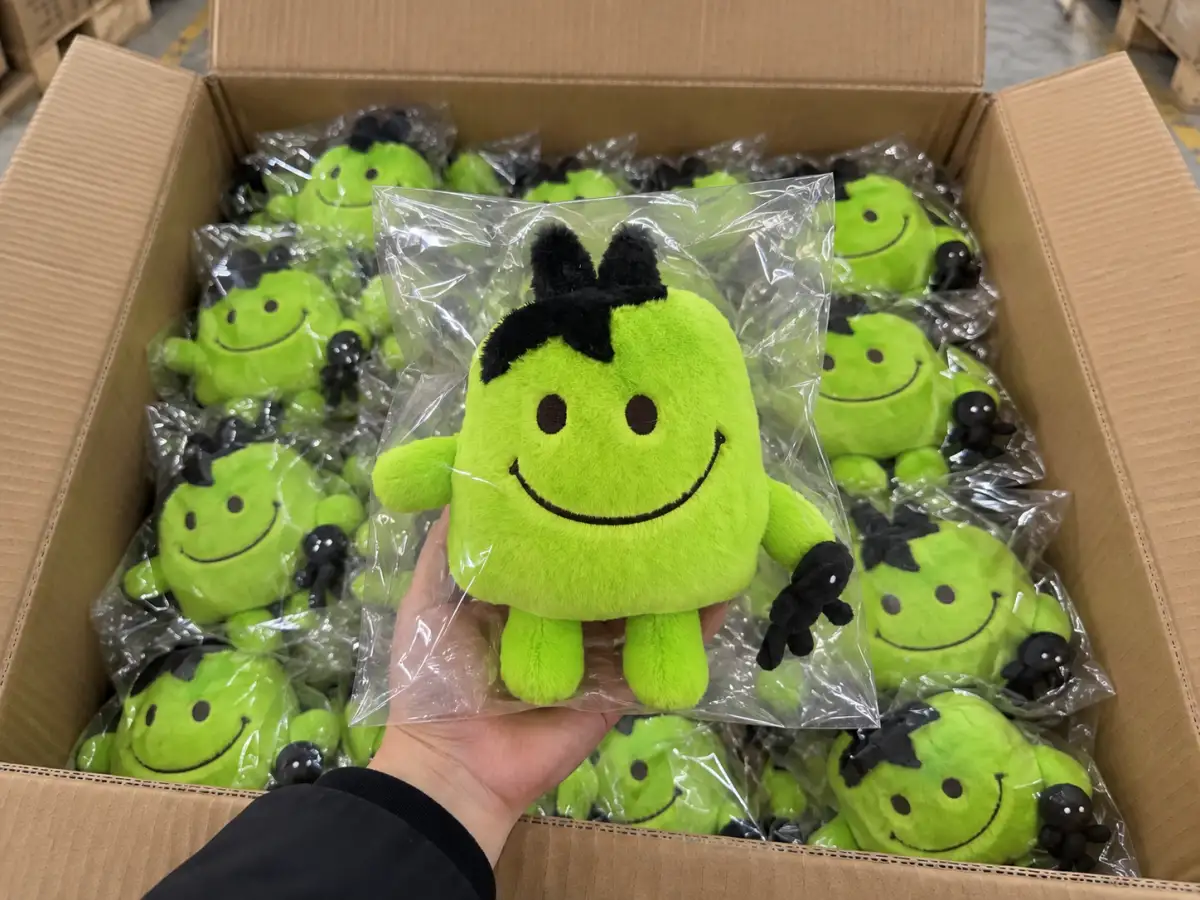
Organizations & Associations
Mascot plush for associations, nonprofit organizations, public programs, community campaigns, membership gifts, and awareness initiatives.
Why Buyers Choose Plushies4u for Mascot Plush
From artwork review to bulk production, we help buyers manage the details that matter most in custom mascot plush development.
Artwork & Design Support
We work from mascot artwork, sketches, photos, logo guidelines, or existing costume references to define the plush development direction.
Pattern Development
Our team translates 2D mascot designs into balanced plush shapes, proportions, and construction details suitable for physical production.
Pantone Color Matching
Brand colors, uniforms, logos, and character details can be matched using Pantone references and approved material samples.
Custom Sample Approval
Review the physical sample, request adjustments, and approve the final mascot plush before bulk production begins.
Production Quality Control
Materials, embroidery, stitching, assembly, and finished products are checked throughout production for consistency.
Packaging & Export Support
Custom labels, hangtags, retail packaging, carton marks, and export packing can be prepared according to project requirements.
Customize Every Detail of Your Mascot Plush
From fabrics and embroidery to clothing, accessories, labels, and packaging, each detail can be developed around your mascot design and brand requirements.
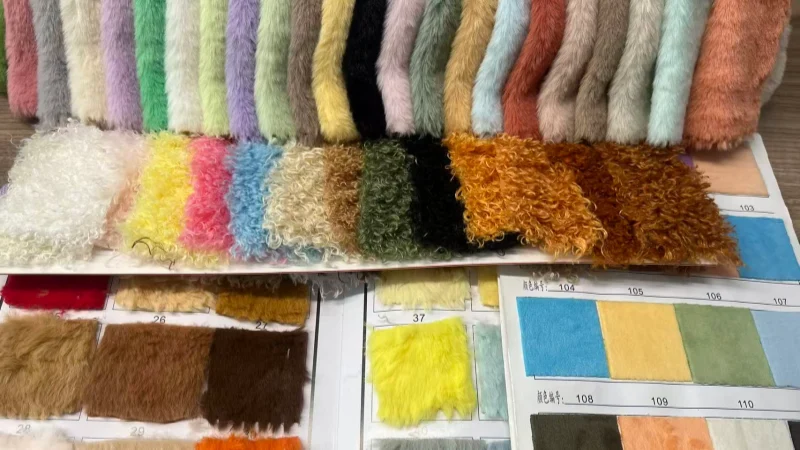
Fabric Options
Minky, short plush, velboa, faux fur, fleece, felt, and other fabric combinations.
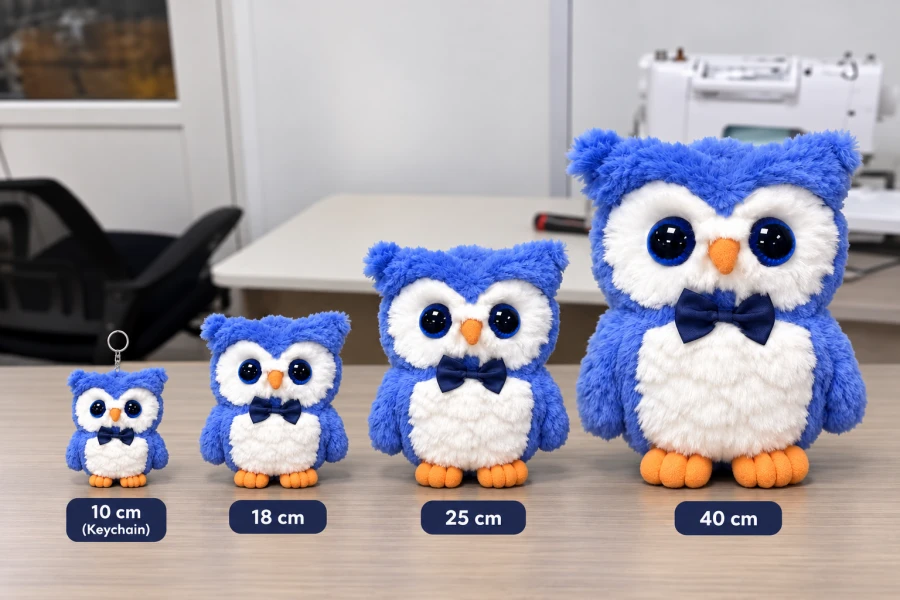
Size & Proportion
Adjust size, body proportions, head shape, and silhouette to match your mascot design.
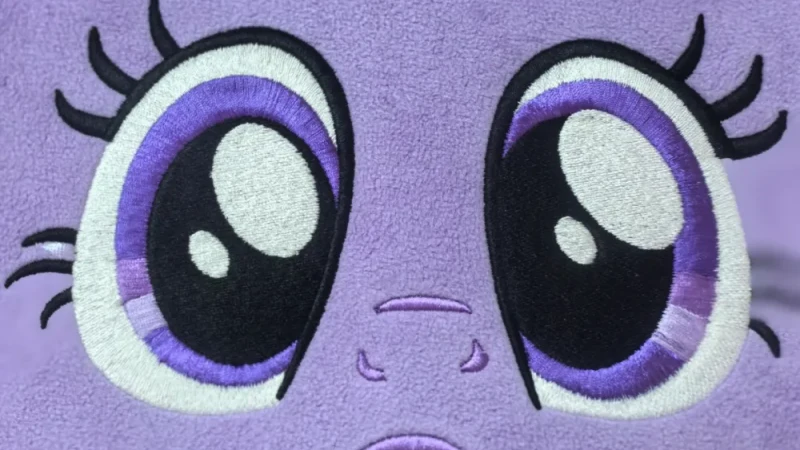
Embroidery Details
Embroidered eyes, facial features, logos, text, badges, and fine character details.
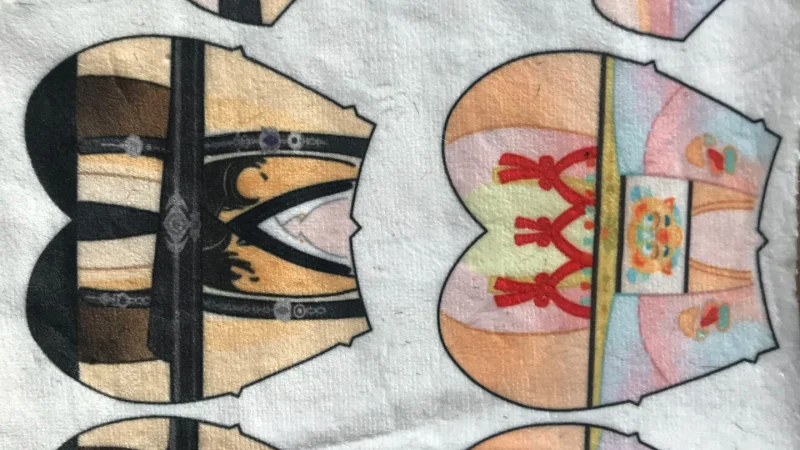
Printing Details
Add printed graphics, fabric appliqué, patches, and color-block details where needed.
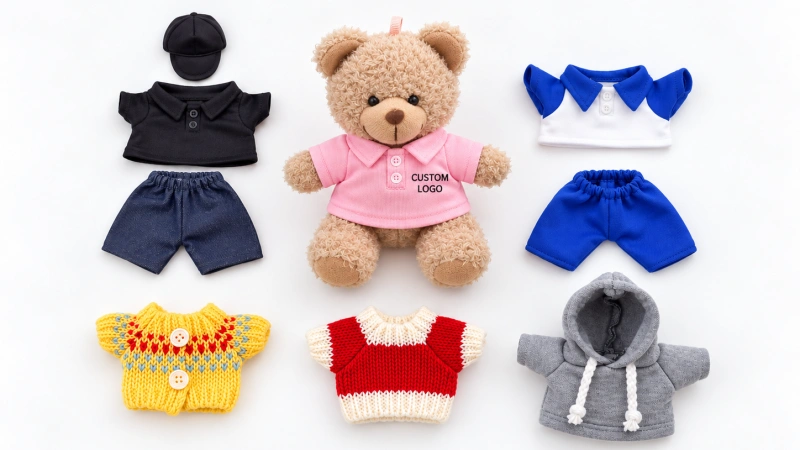
Clothing & Uniforms
Custom jerseys, uniforms, shirts, scarves, hats, and removable clothing options.
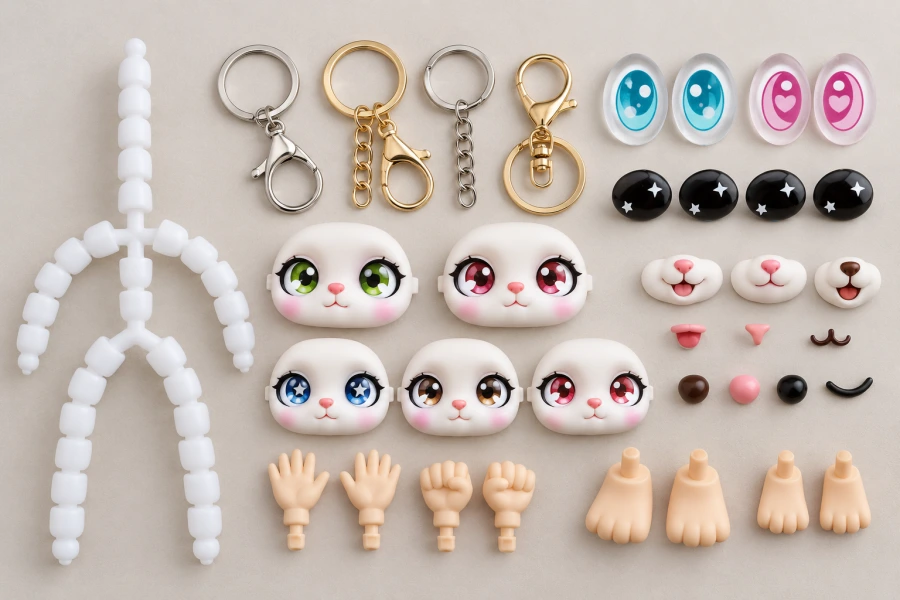
Accessories & Features
Add keyrings, magnets, props, sound modules, removable parts, and other custom features.
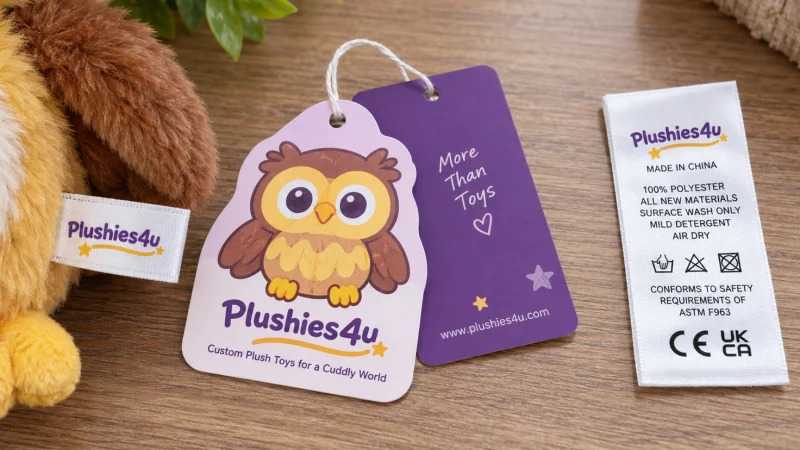
Labels & Branding
Woven labels, hangtags, printed tags, logo details, and barcode labeling options.
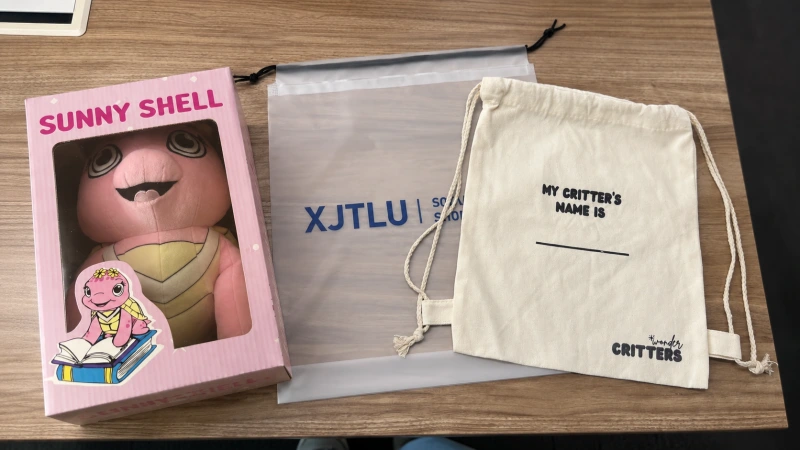
Packaging Options
Polybags, header cards, display boxes, gift boxes, and custom retail packaging.
Not sure which options suit your mascot? Send us your artwork for a project-specific recommendation.
Send Your Mascot Design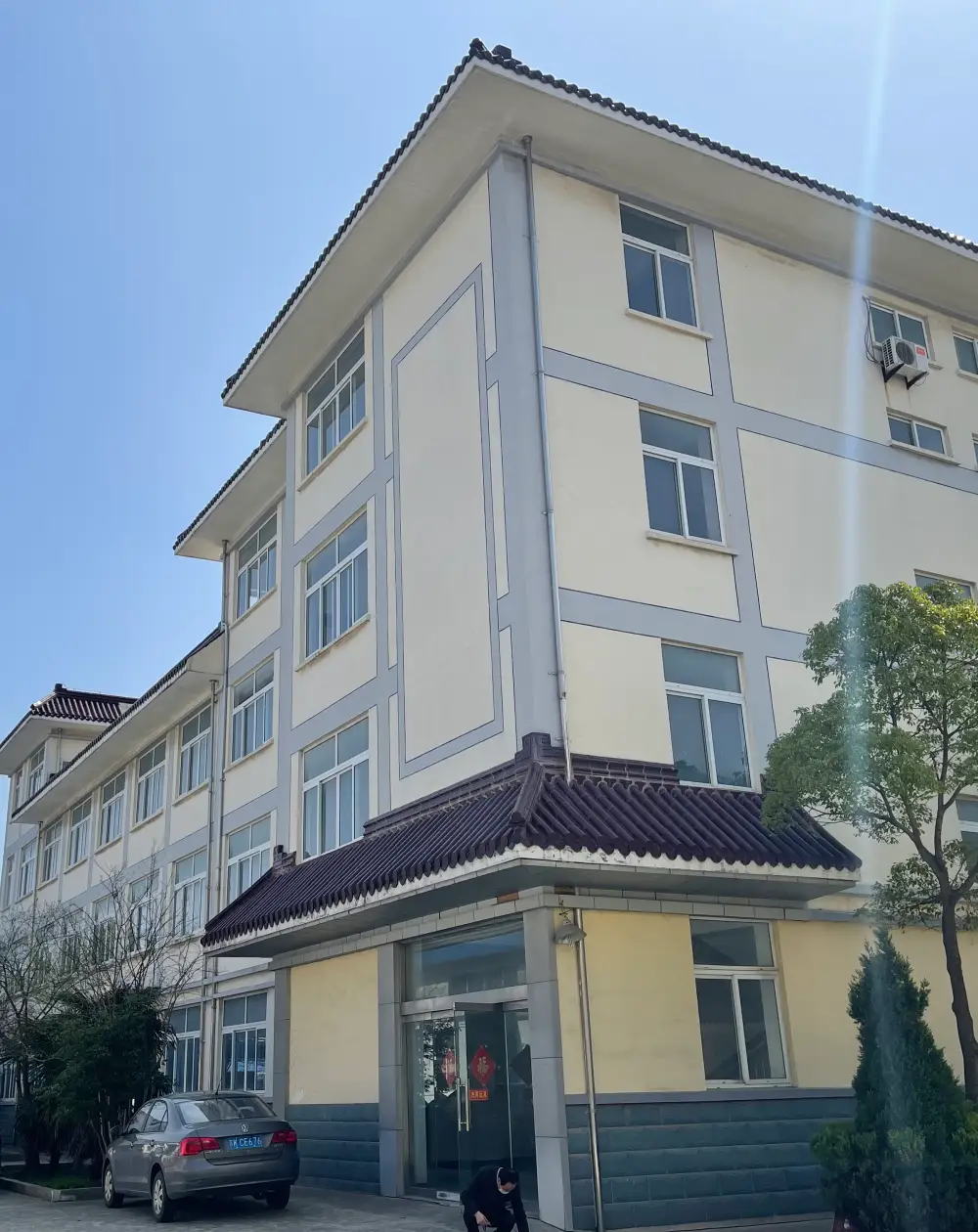
Built for Reliable Bulk Production
We support custom mascot plush projects from sampling to commercial-scale production with experienced teams, stable manufacturing capacity, and quality control throughout the process.
Suitable for medium- and large-scale mascot plush programs for brands, schools, sports teams, events, and promotional buyers.
From Your Mascot Design to Bulk Production
A clear development process from project review and sampling to bulk production, inspection, packaging, and shipment.
| Step | Project Stage | Lead Time | Your Part | Plushies4u Support |
|---|---|---|---|---|
| 1 | Project Review | 1–3 days | Send your mascot artwork, target size, quantity, destination market, and key requirements. | Review the design and confirm materials, construction, customization, and project feasibility. |
| 2 | Quotation & Order Confirmation | 1–3 days | Confirm quotation, lead time, payment terms, and project details. | Prepare the quotation, PI, and order specifications. |
| 3 | Pattern & Design Development | 2–4 days | Confirm proportions, shape, colors, clothing, logos, and important character details. | Develop the plush pattern and translate the mascot artwork into a production-ready structure. |
| 4 | Sample Development | 7–10 days | Review the physical sample, including fabric, colors, embroidery, clothing, and workmanship. | Produce the custom sample and make adjustments where required. |
| 5 | Sample Approval | 2–4 days | Approve the final sample or provide revision comments. | Finalize the approved sample and specifications as the bulk production standard. |
| 6 | Bulk Production | 15–25 days | Confirm final quantity, packaging, labels, and shipping requirements. | Arrange materials, production, embroidery, sewing, assembly, and production QC. |
| 7 | Final Inspection & Packing | 3–5 days | Confirm carton marks and any final packing requirements. | Complete final inspection, labeling, packaging, and export packing. |
| 8 | Shipping & Delivery Support | Varies by method | Confirm shipping method and delivery information. | Arrange shipment, export documentation, and logistics follow-up. |
Project Review
Send your mascot artwork, target size, quantity, destination market, and key requirements.
Review the design and confirm materials, construction, customization, and project feasibility.
Quotation & Order Confirmation
Confirm quotation, lead time, payment terms, and project details.
Prepare the quotation, PI, and order specifications.
Pattern & Design Development
Confirm proportions, shape, colors, clothing, logos, and important character details.
Develop the plush pattern and translate the mascot artwork into a production-ready structure.
Sample Development
Review the physical sample, including fabric, colors, embroidery, clothing, and workmanship.
Produce the custom sample and make adjustments where required.
Sample Approval
Approve the final sample or provide revision comments.
Finalize the approved sample and specifications as the bulk production standard.
Bulk Production
Confirm final quantity, packaging, labels, and shipping requirements.
Arrange materials, production, embroidery, sewing, assembly, and production QC.
Final Inspection & Packing
Confirm carton marks and any final packing requirements.
Complete final inspection, labeling, packaging, and export packing.
Shipping & Delivery Support
Confirm shipping method and delivery information.
Arrange shipment, export documentation, and logistics follow-up.
*Lead times are typical estimates and may vary depending on design complexity, revisions, quantity, materials, and packaging requirements.
Quality, Safety & Compliance
We support toy safety testing, factory compliance, and packaging requirements for major international markets, helping buyers prepare custom mascot plush products for their target destinations.
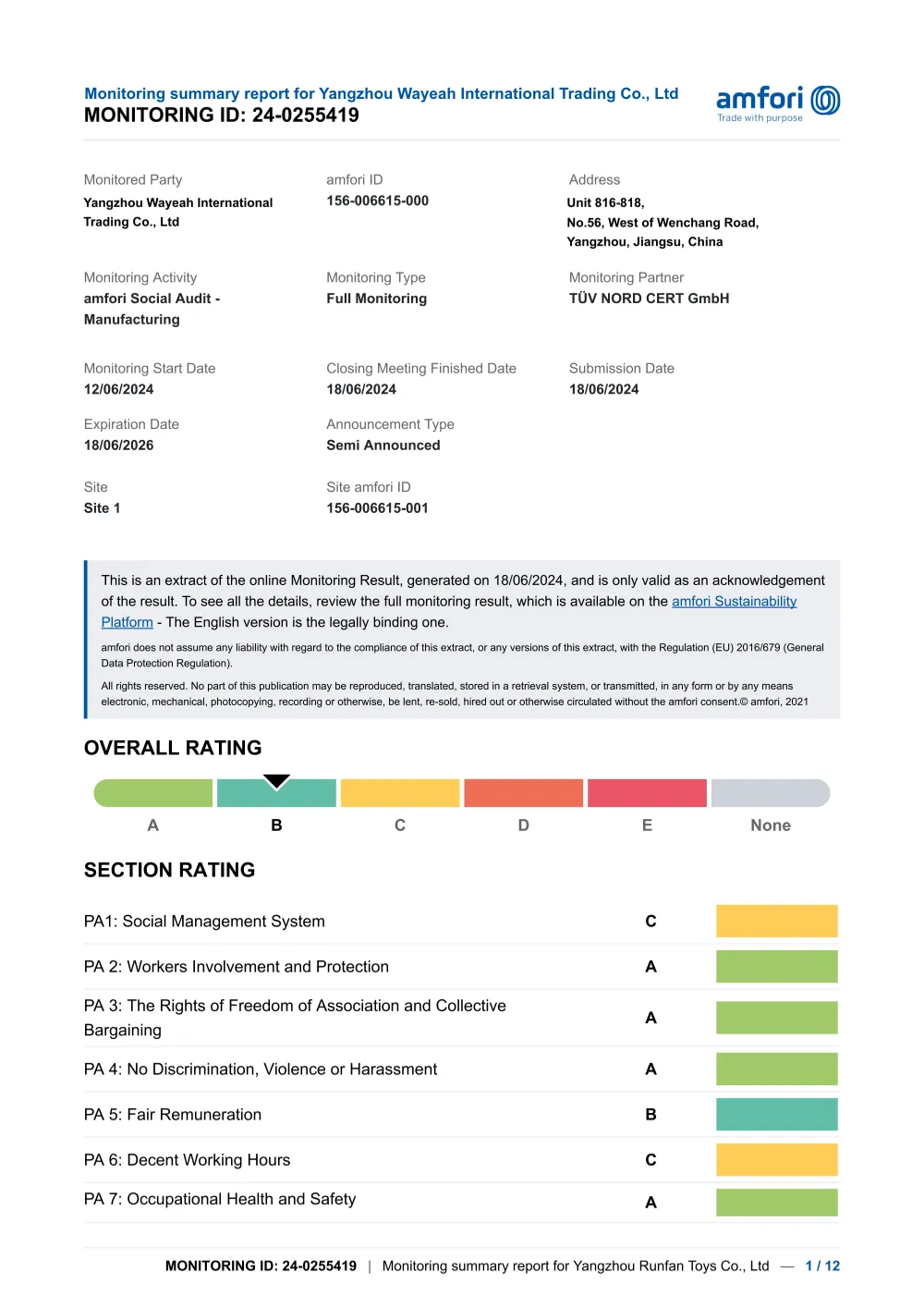
BSCI
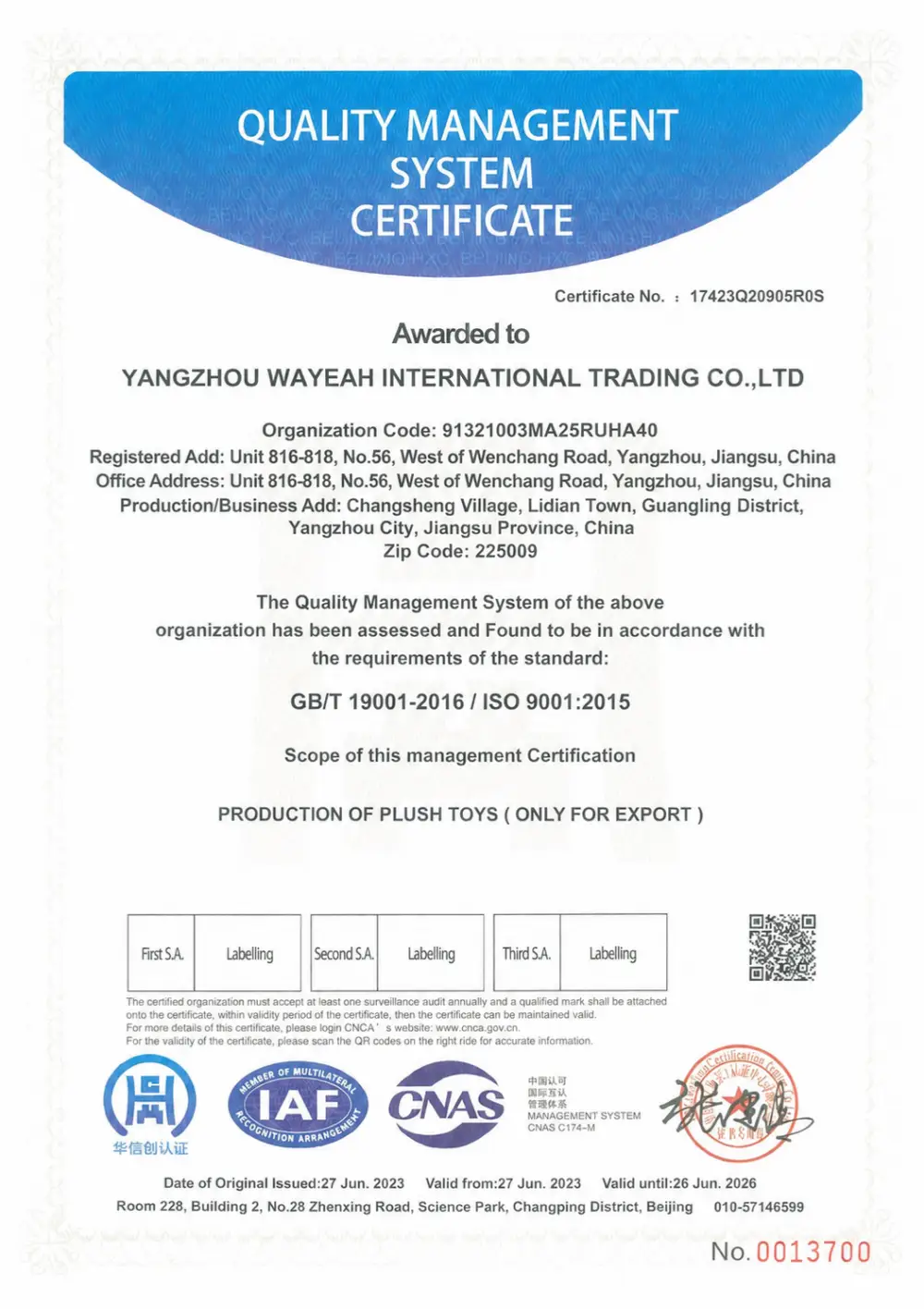
ISO 9001
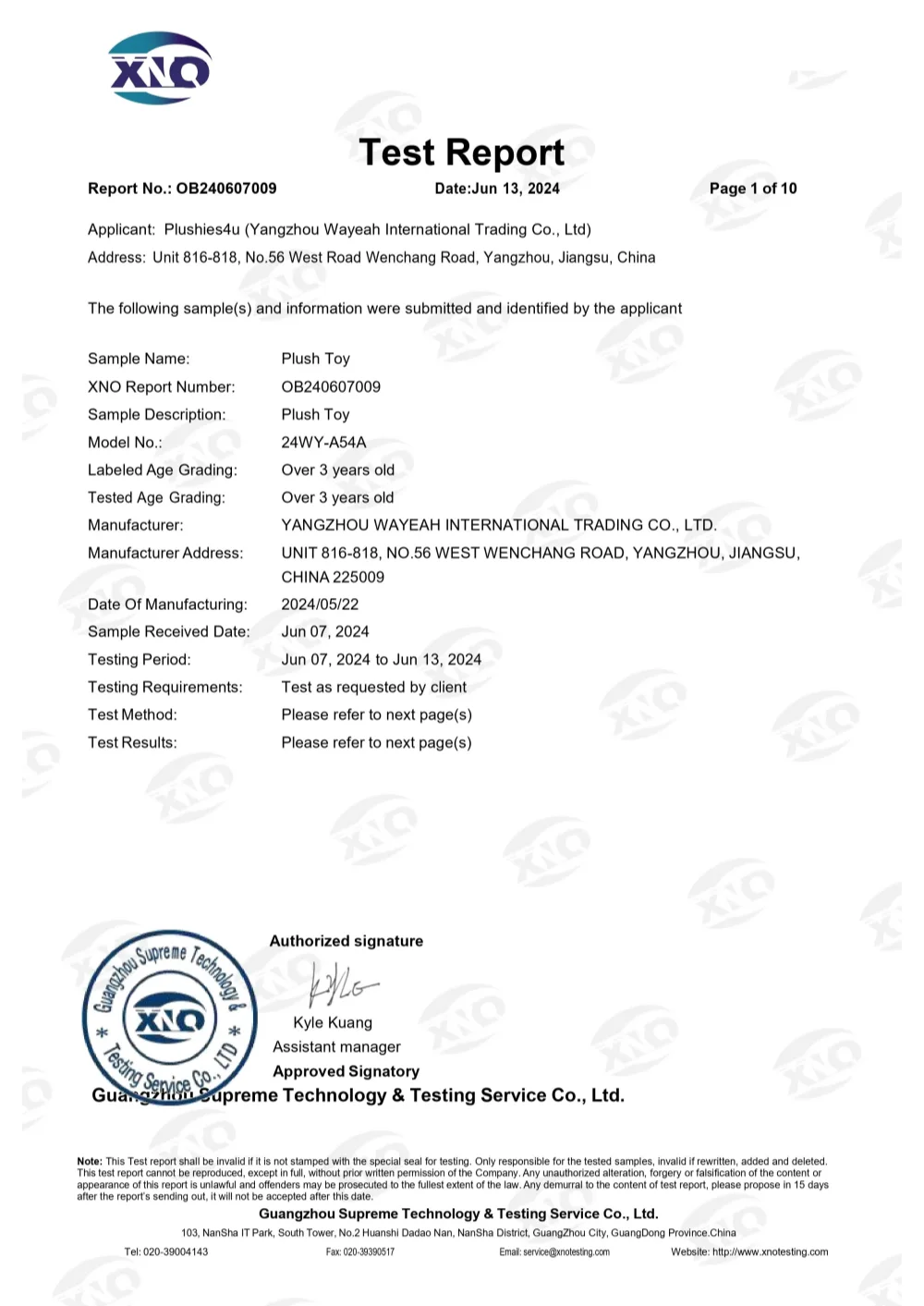
EN 71
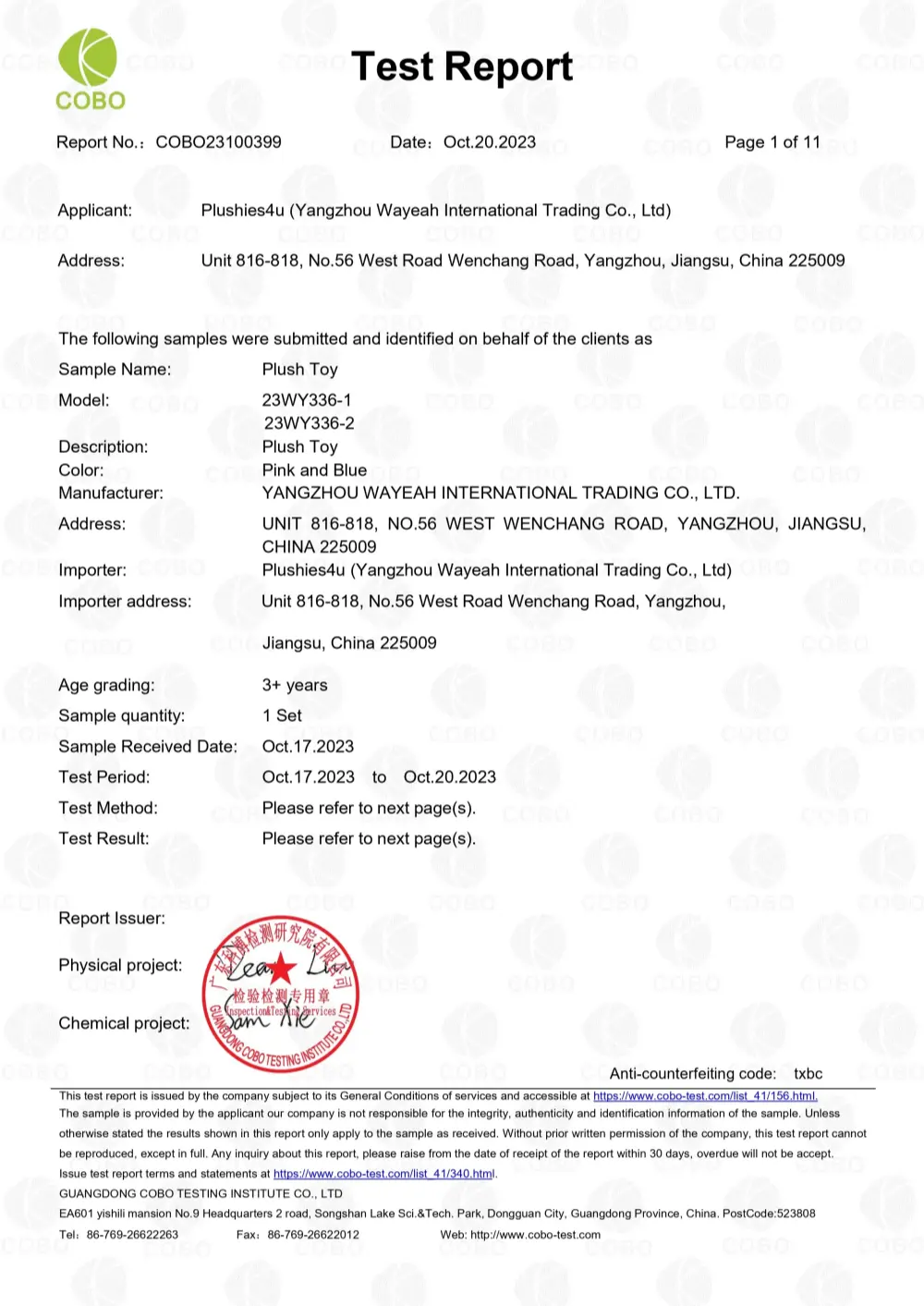
ASTM F963
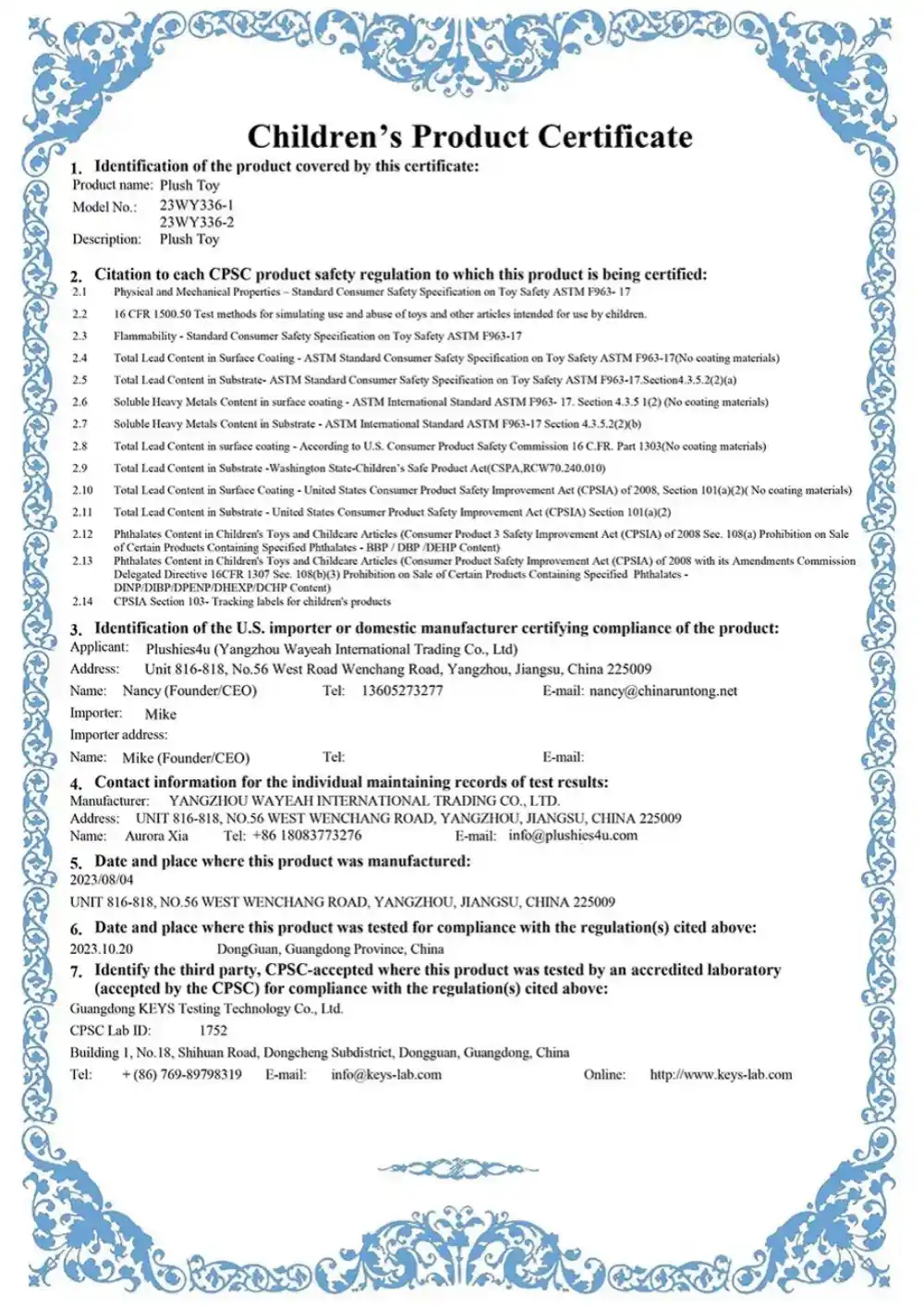
CPC
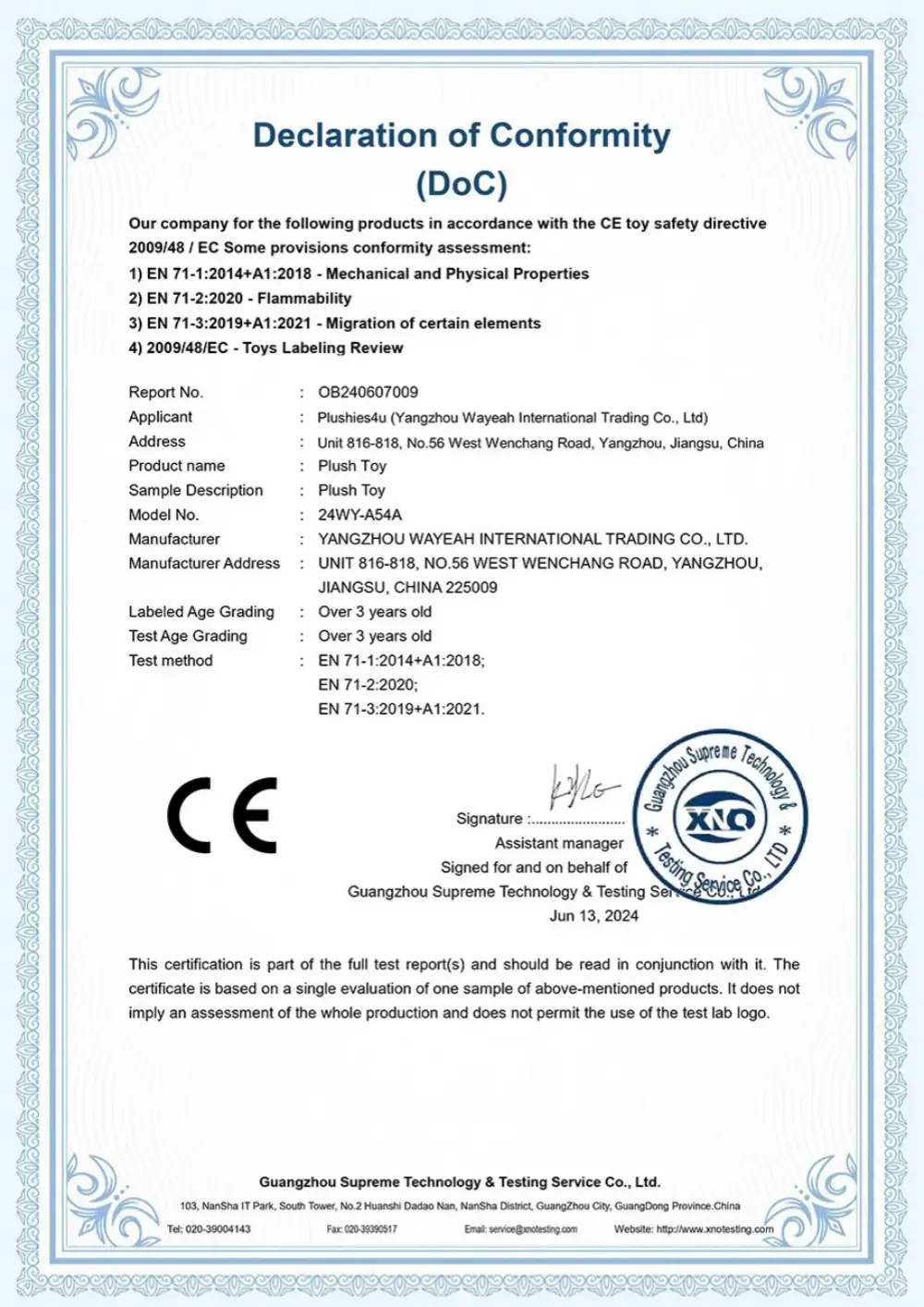
CE
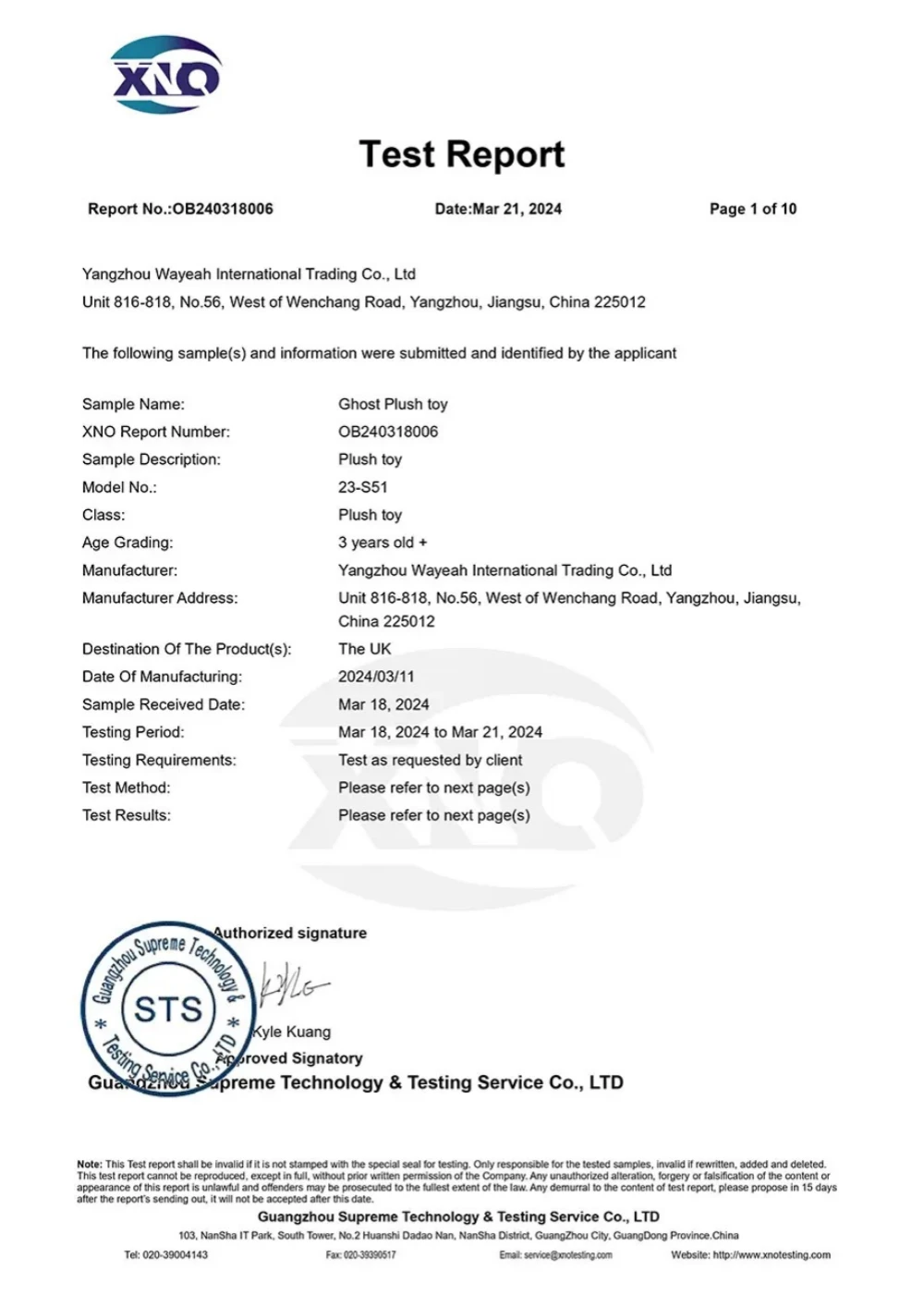
BS EN 71
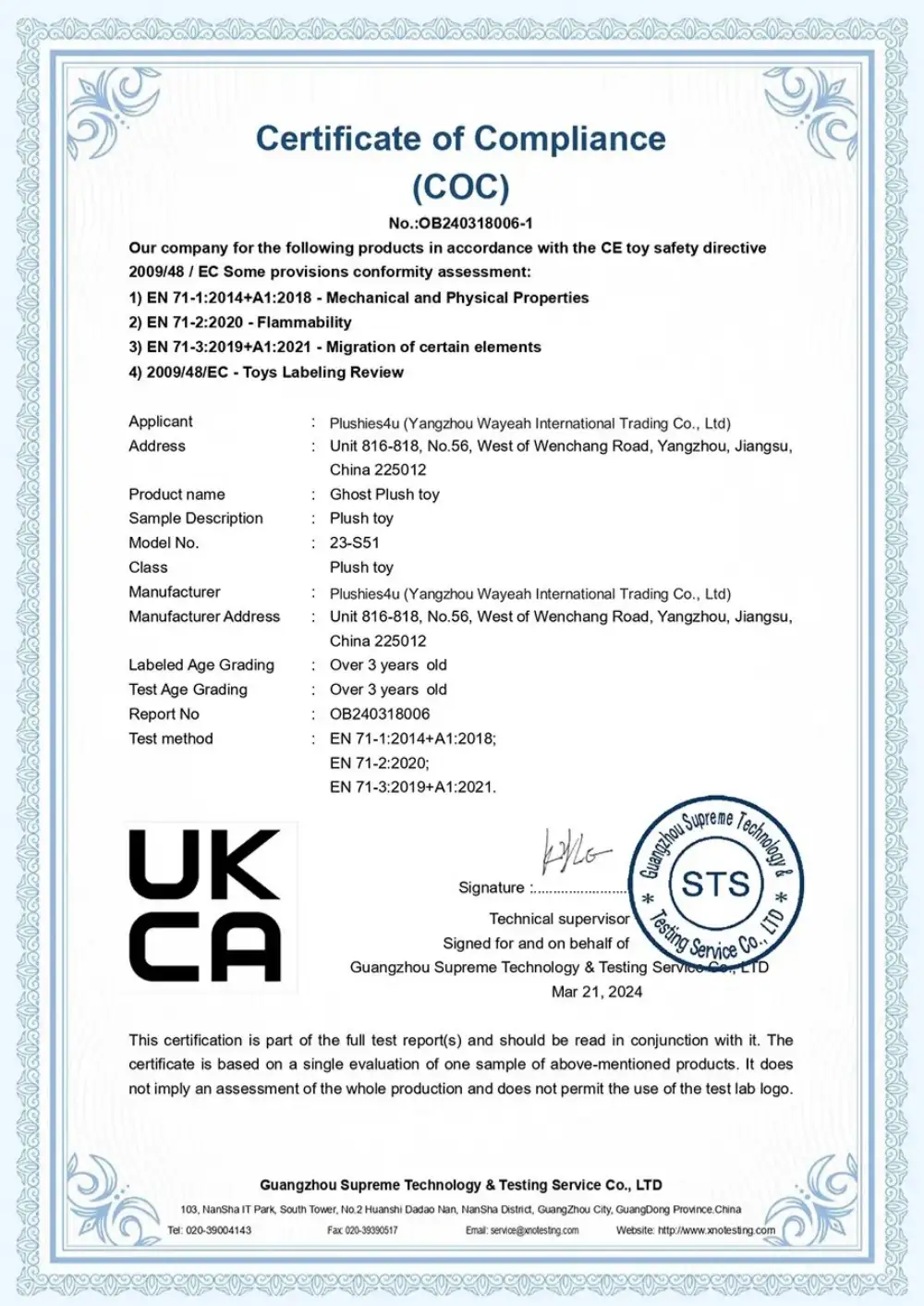
UKCA
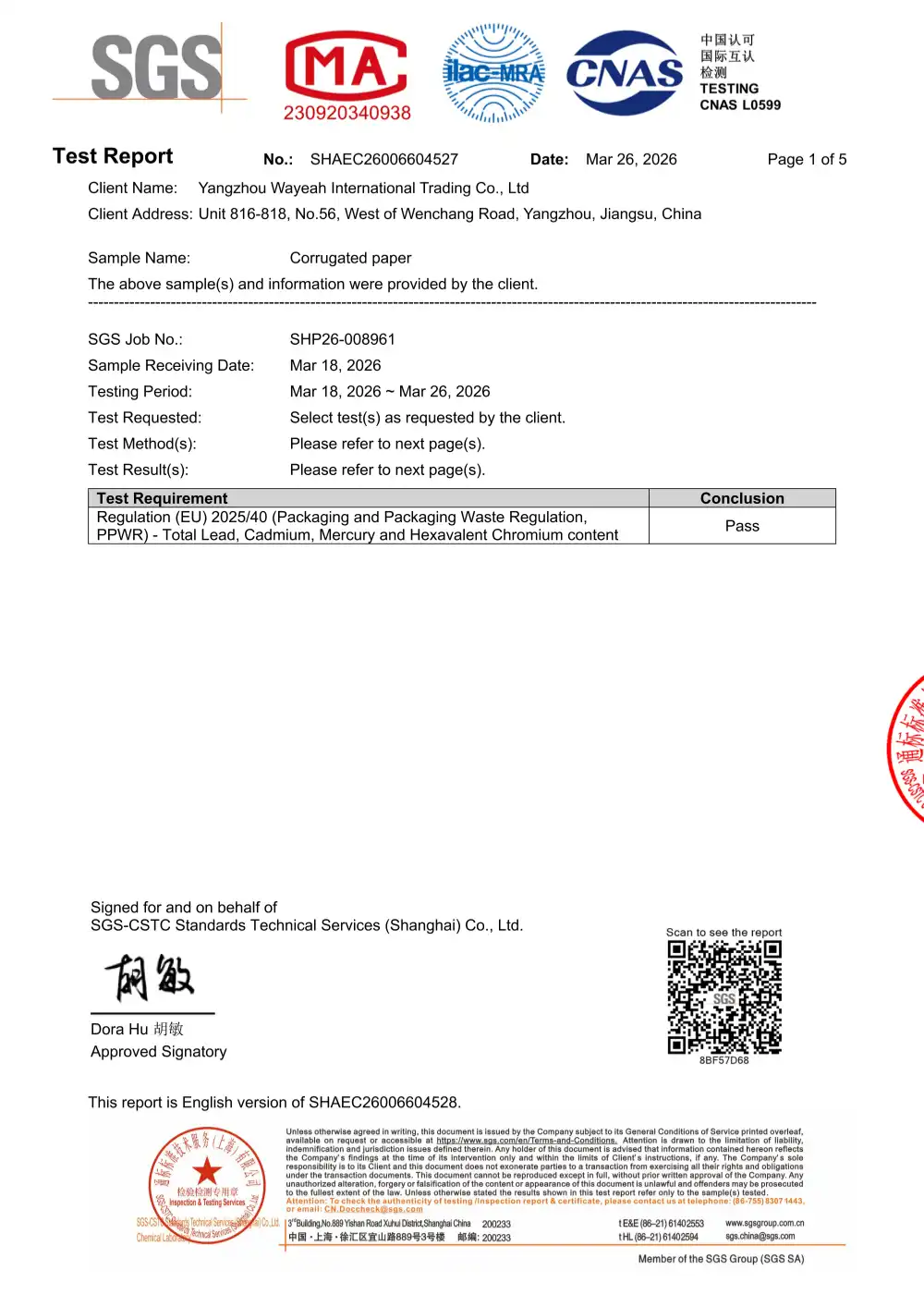
PPWR
Mascot Plush Toy Customer Stories
See how we help brands, attractions, schools, sports teams, and organizations turn mascot ideas into production-ready plush products for real-world use.
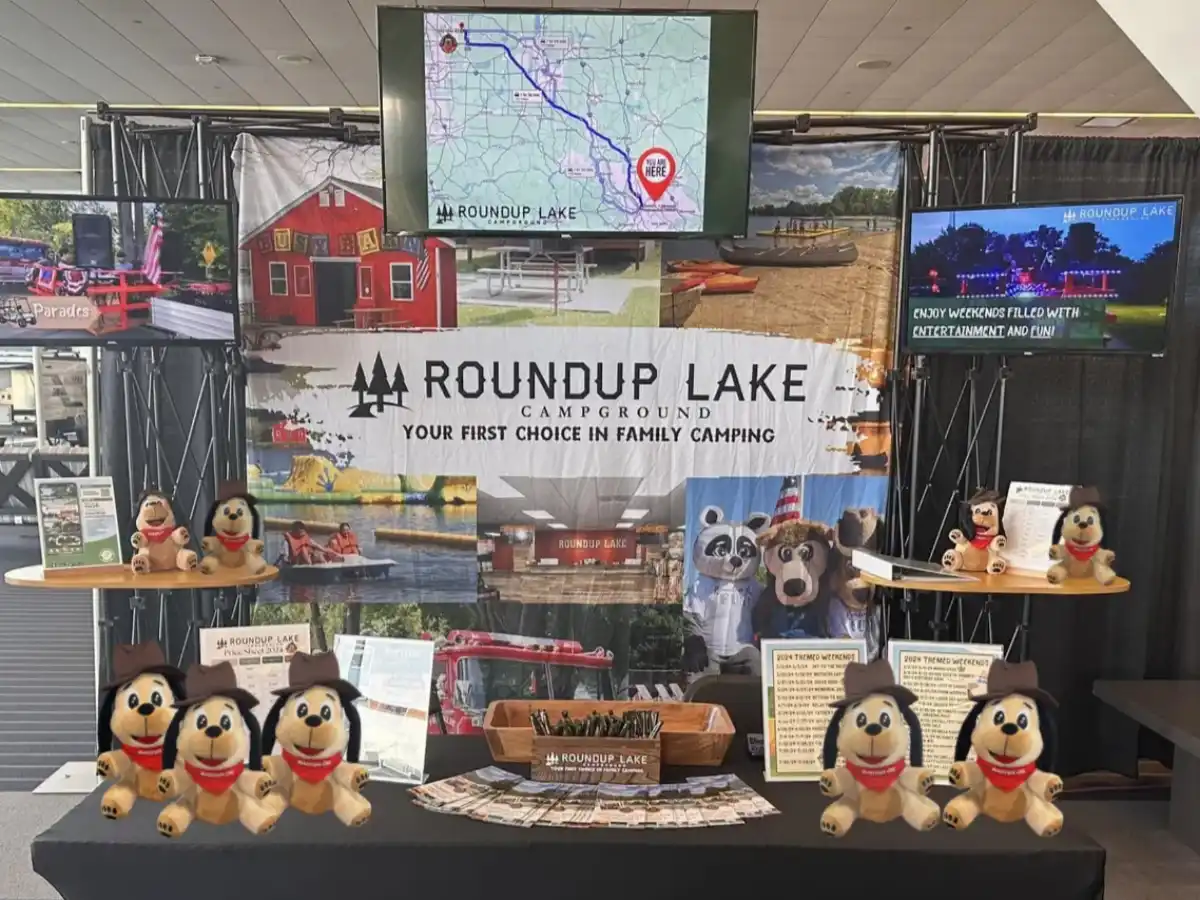
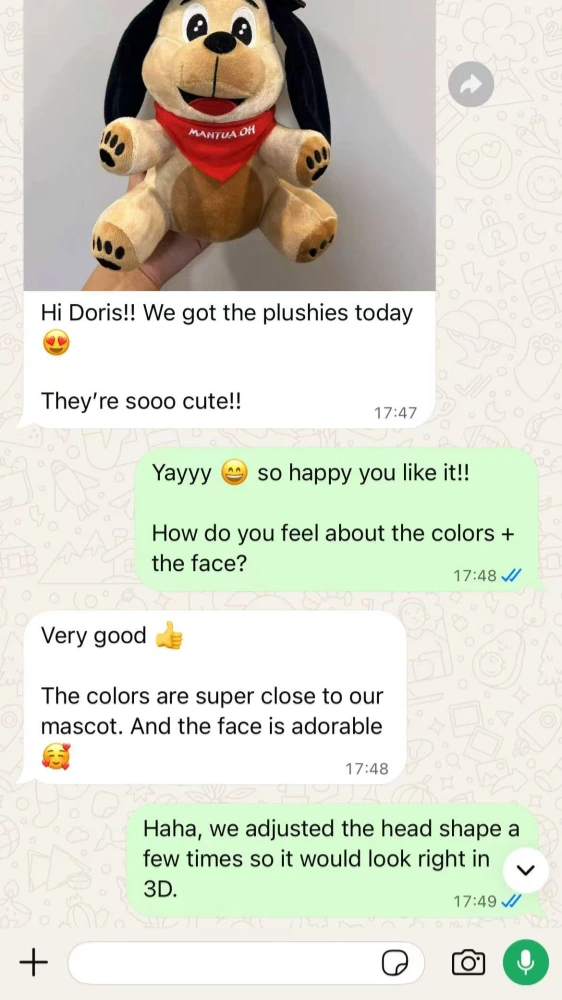
Customer Story — Roundup Lake Campground
Roundup Lake Campground, a family camping destination in Ohio, USA, contacted us to develop a custom plush version of their dog mascot for event use and promotional merchandise.
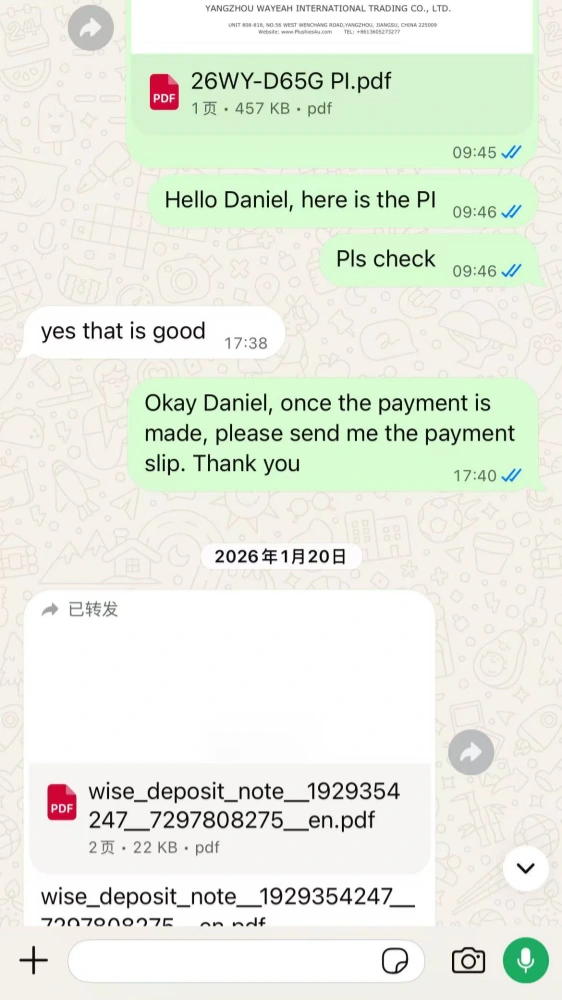
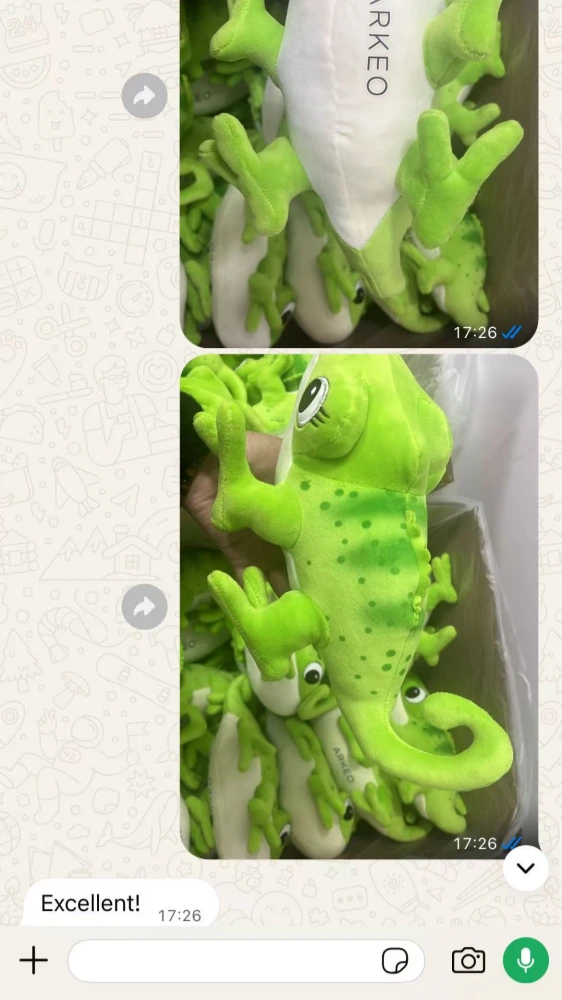
Customer Story — ARKEO, Portugal
Daniel from ARKEO came back to us for a second mascot plush order after working with us on a previous project.
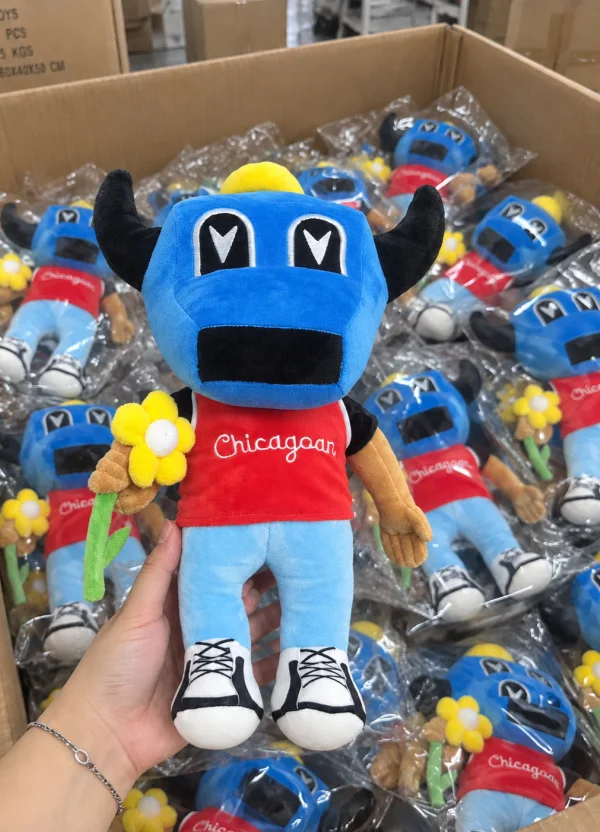
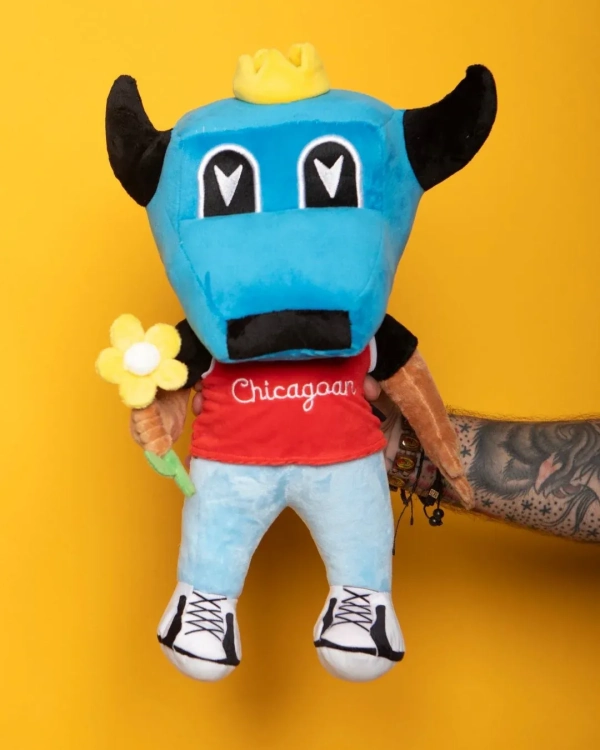
Customer Email — Herson Pinon
Hi Doris,
Frequently Asked Questions
Find quick answers about MOQ, sampling, artwork, production, branding, and safety requirements for custom mascot plush projects.
What is the MOQ for custom mascot plush toys?
What artwork files can I send?
Can you make plush from an existing mascot costume?
Can I approve a sample before production?
How do you match brand colors?
Can you embroider logos and uniforms?
What safety testing can you support?
How long does mascot plush production take?
Get a Custom Mascot Plush Quote
Share your mascot design and project requirements. We’ll review the details and prepare a custom quotation.