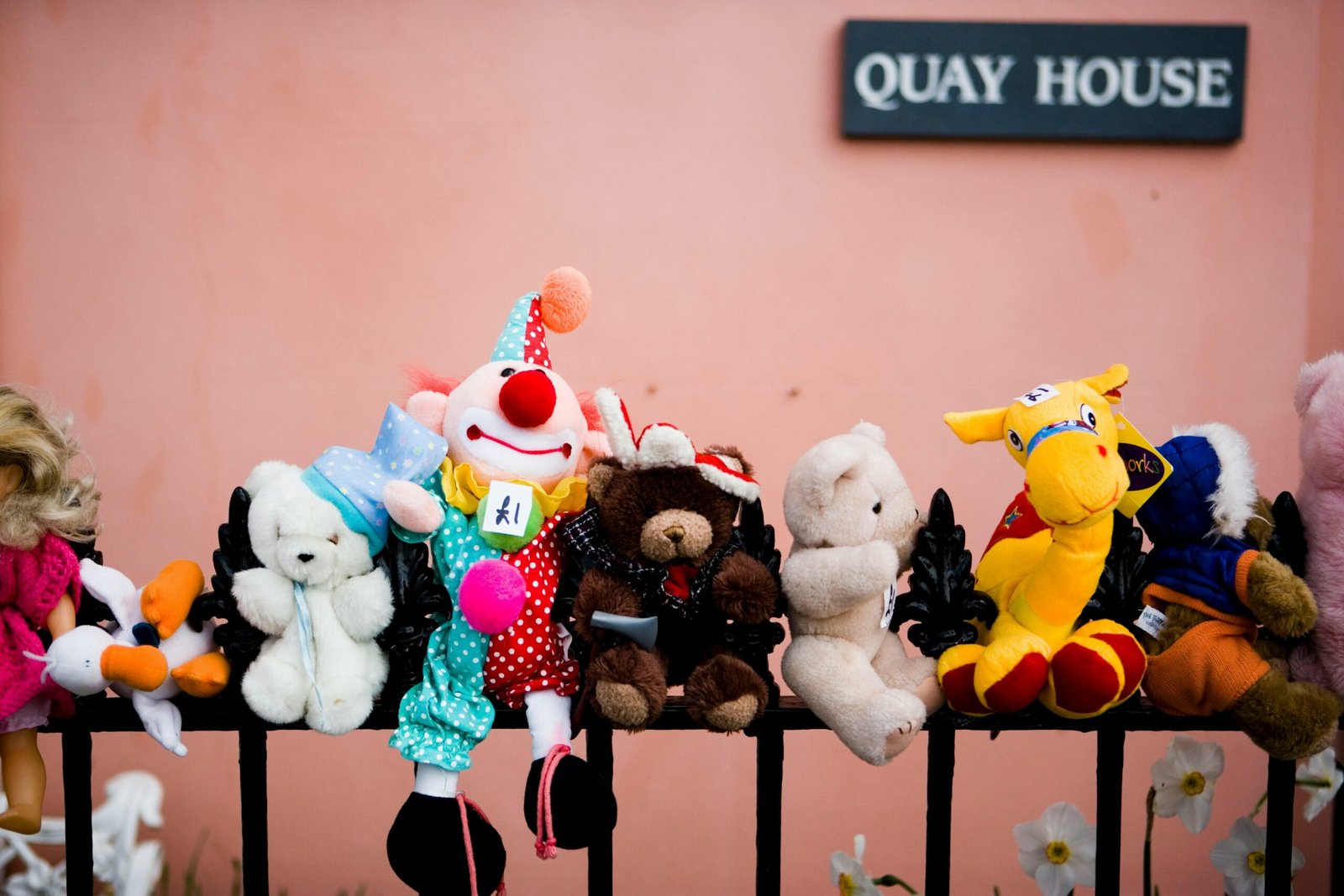
A plush toy is a soft toy made with a textile outer fabric, flexible filling, and a design intended to be hugged, displayed, collected, or used in play. In everyday language, people also call them stuffed animals, plushies, soft toys, stuffed toys, or cuddly toys.
The terms often overlap, but they are not always identical. “Plush toy” usually highlights the soft pile fabric and premium hand feel. “Stuffed animal” usually refers to an animal-shaped soft toy. “Soft toy” is a broader term that can include fabric dolls, baby comforters, and non-animal characters.
For brands, retailers, importers, and product developers, this difference matters. The right term affects SEO, product naming, packaging copy, safety documentation, customs descriptions, and buyer expectations.
Plush Toy Definition
A plush toy is a soft, filled toy with an outer surface made from plush or other soft fabric. It may be shaped like an animal, character, mascot, object, food item, pillow, fantasy creature, or licensed design.
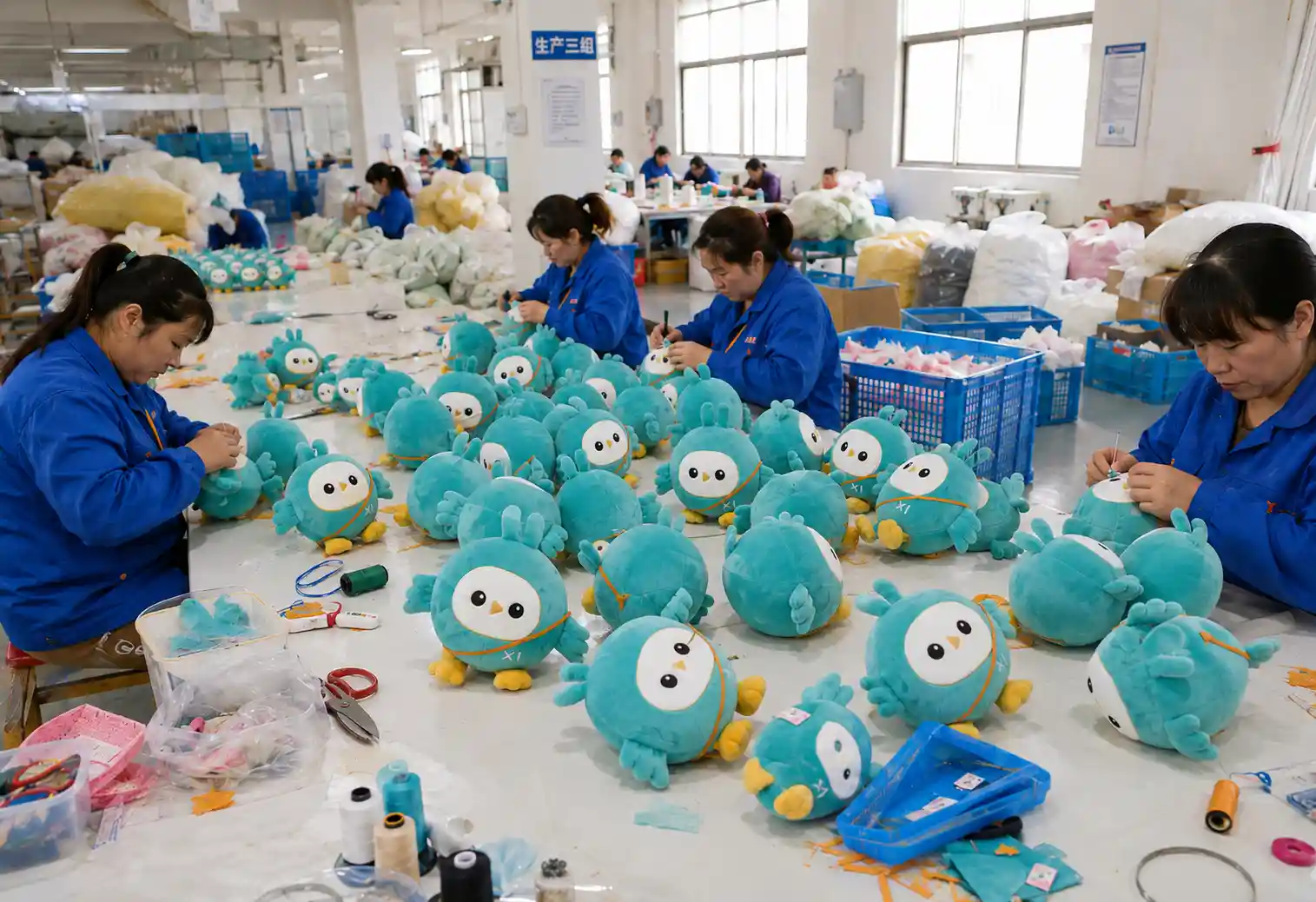
In consumer dictionaries, “plush toy” is generally understood as a toy made from soft material. In the toy industry, the practical definition is more specific: a plush toy normally combines fabric selection, stuffing, sewing construction, embroidery or printed details, safety testing, and packaging suitable for its target market.
A plush toy usually has four basic elements:
- Outer fabric, such as short plush, long plush, velboa, fleece, minky, sherpa, faux fur, or recycled polyester fabric
- Filling, commonly polyester fiberfill, recycled stuffing, foam particles, beans, or weighted filling depending on the design
- Decorative details, such as embroidery, applique, fabric printing, woven labels, ribbons, clothing, or accessories
- Safety construction, including secure seams, age-appropriate components, and compliance checks for the destination market
For export projects, the definition should not stop at “soft and cute.” Buyers also need to know whether the item is a toy, gift, cushion, collectible, baby product, pet item, or promotional product, because each category can carry different labeling, testing, and packaging requirements.
Plush Toy vs Stuffed Animal
A stuffed animal is a soft toy shaped like an animal. A plush toy can be an animal, but it can also be a fruit, brand mascot, cartoon character, pillow, logo shape, doll, or novelty object.
So the relationship is simple: many stuffed animals are plush toys, but not all plush toys are stuffed animals.
For example, a teddy bear, rabbit, elephant, and dinosaur are stuffed animals. A plush heart, plush keychain, plush food toy, character pillow, and brand mascot are plush toys, but they may not be called stuffed animals.
From an SEO and product-page perspective, “stuffed animal” is often stronger for animal-shaped products in the U.S. market, while “plush toy” works well for broader custom designs, brand mascots, character merchandise, and collectible soft goods.
Plush Toy vs Soft Toy
“Soft toy” is a broad term used in many English-speaking markets, especially outside the United States. It describes toys made from soft materials, not hard plastic, metal, or wood.
A plush toy is a type of soft toy, but “soft toy” may also include cloth dolls, baby rattles, soft books, comfort blankets, fabric activity toys, and other textile-based toys.
In B2B communication, “soft toy” can sound broader and more category-level, while “plush toy” sounds more specific to filled, huggable, fabric-covered products. If you are naming a product category for international buyers, it is often useful to include both terms naturally, such as “custom plush toys and soft toys.”
Plush Toy vs Plushie
“Plushie” is an informal word for a plush toy. It is common in communities, social media, collectibles, fan merchandise, and lifestyle content.
For consumer-facing brands, “plushie” can feel warm, playful, and modern. For B2B export websites, “plush toy” is usually the clearer professional term. It fits better in product specifications, inquiry forms, compliance documents, and sourcing conversations.
A good practical approach is to use “plush toy” as the main commercial term, then mention “plushie” where the audience may search for it, especially for collectible, character, anime, game, or fan merchandise products.
Common Types of Plush Toys
Plush toys cover a wide product range. The main types include:
- Stuffed animals, such as teddy bears, rabbits, dogs, cats, dinosaurs, and zoo animals
- Character plush toys for cartoons, games, books, mascots, and licensed IP
- Baby plush toys designed with softer fabrics, simpler parts, and age-appropriate construction
- Promotional plush toys used for brand campaigns, events, retail gifts, and corporate giveaways
- Plush pillows and cushions with decorative or functional use
- Plush keychains and bag charms for small accessories and impulse-buy retail
- Seasonal plush toys for holidays, festivals, and themed promotions
- Interactive or electronic plush toys with sound, light, motion, or removable modules
What Are Plush Toys Made Of?
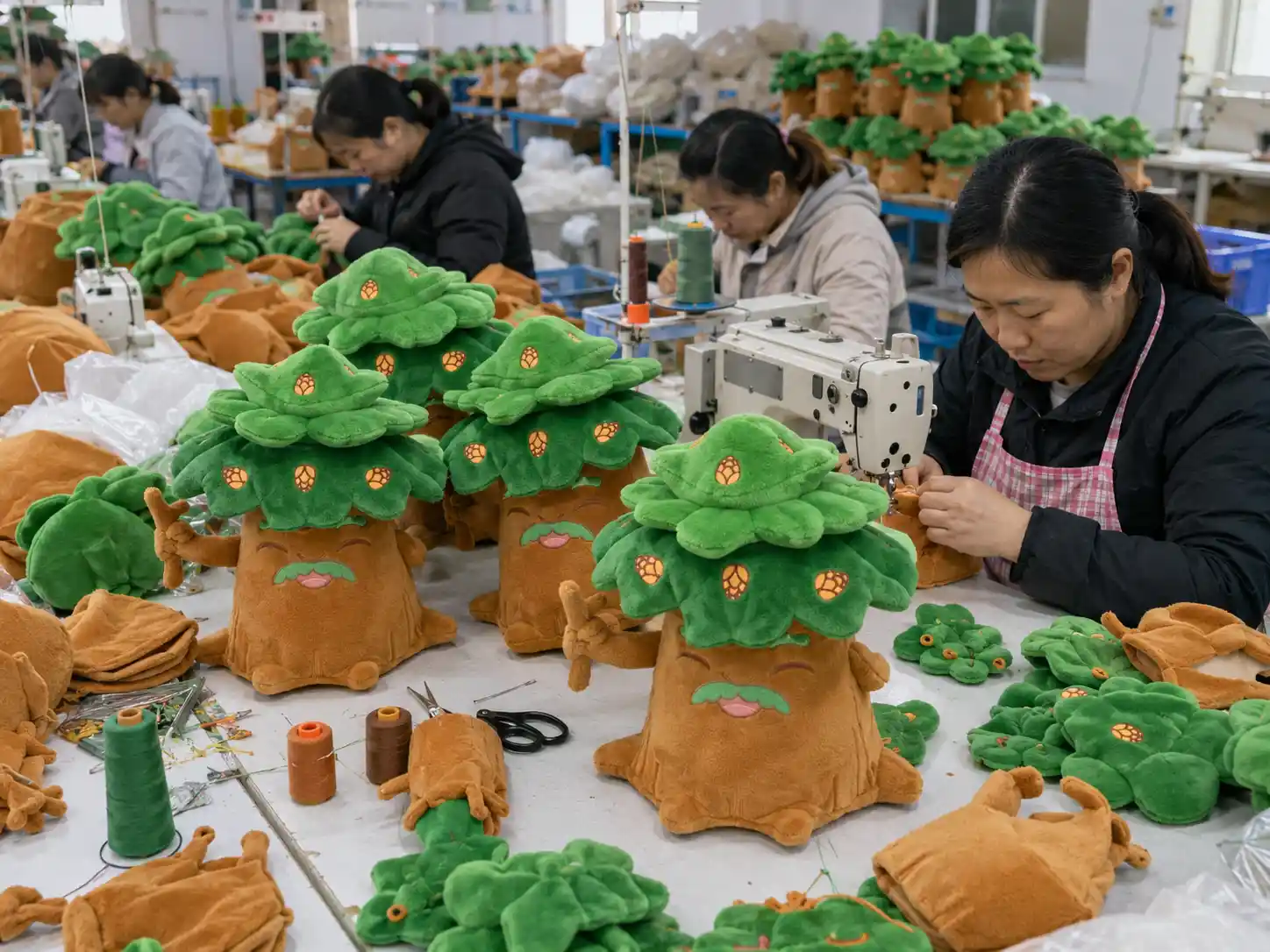
Most plush toys use polyester-based materials because they are soft, durable, flexible, and suitable for large-scale production. However, the final material choice depends on the product’s target age, design, price point, hand feel, washing requirements, and destination market.
Common outer fabrics include short plush for a clean surface, long plush for a fluffy look, velboa for smooth short pile, minky for baby products, fleece for lightweight softness, and faux fur for realistic animal designs.
The filling is usually polyester fiberfill, but some products may use recycled polyester, foam beads, plastic pellets, or weighted inserts. Any filling material must be selected carefully for safety, comfort, and compliance.
Decorative features can include embroidered eyes, plastic safety eyes, printed faces, applique patches, ribbons, clothing, bells, squeakers, sound chips, or hangtags. For younger children, embroidered or fabric-based details are often preferred because small detachable parts can create safety risks.
Are Plush Toys Regulated?
Yes. Plush toys sold as children’s products are normally subject to toy safety rules in the destination market. In the United States, toy safety is overseen by the U.S. Consumer Product Safety Commission, and children’s toys commonly need to meet applicable safety standards such as ASTM F963.
In the European Union, toys are covered by EU toy safety rules, including requirements related to chemical, mechanical, physical, and flammability safety. The EU definition of a toy generally relates to products designed or intended for use in play by children under 14 years of age.
For importers, the key point is not just whether a product feels soft. The intended user age, product function, detachable parts, fiber shedding, flammability, chemical substances, labeling, and packaging all need to match the target market’s requirements.
Why the Terminology Matters for Buyers
Using the right product term helps avoid confusion during sourcing and quotation.
If a buyer says “plush toy,” the supplier may expect a custom textile toy project with fabric, stuffing, pattern making, embroidery, accessories, and packaging. If the buyer says “stuffed animal,” the supplier may assume an animal-shaped design. If the buyer says “soft toy,” the scope may be wider and may include baby textile toys or fabric dolls.
Clear terminology also helps with:
- Keyword targeting for SEO pages and product listings
- Quotation accuracy during custom development
- Material and sample confirmation
- Age-grade and safety test planning
- Packaging and labeling decisions
- Retail category placement
- Import and customs communication
For custom plush toy projects, buyers should provide the intended term, product shape, size, fabric preference, target age group, destination market, estimated order quantity, packaging method, and any safety or brand requirements at the beginning of the inquiry.
Key Differences at a Glance
| Term | Best Meaning | Typical Use |
|---|---|---|
| Plush toy | Soft filled toy with plush or soft fabric | B2B sourcing, product pages, custom manufacturing |
| Stuffed animal | Animal-shaped filled soft toy | Retail categories, teddy bears, animal toys |
| Soft toy | Broad category of soft textile toys | International category term, baby and toy ranges |
| Stuffed toy | General filled toy | Dictionaries, broad toy descriptions |
| Plushie | Informal name for a plush toy | Social media, fan products, collectibles |
How to Describe a Plush Toy in a Product Specification
A good plush toy specification should be specific enough for sampling and quotation. Instead of only writing “custom plush toy,” describe the item in practical production terms.
For example:
“Custom 25 cm animal plush toy with short plush outer fabric, polyester fiber filling, embroidered eyes, woven brand label, individual polybag packaging, and hangtag for retail display.”
This type of description tells the manufacturer what needs to be developed, sourced, sewn, tested, and packed. It also helps both sides discuss cost, sample time, safety testing, and mass production more efficiently.
Final Takeaway
A plush toy is a soft, filled fabric toy, but the exact term you use should match the product shape, buyer market, and sales channel. “Plush toy” is the most useful professional term for custom manufacturing and export sourcing. “Stuffed animal” is more specific to animal-shaped toys. “Soft toy” is broader, and “plushie” is more informal and consumer-friendly.
For a custom plush toy project, define the product by its shape, size, fabric, filling, decoration method, target age, destination market, and packaging requirements. That gives the supplier enough detail to quote accurately, develop a better sample, and prepare the right safety and compliance checks before production.